Inline Buffer Dilution offers a practical way to prepare process buffers at the point of use. A concentrated stock solution is mixed with water to reach a target concentration and volume. In a bioprocess suite, that can mean less storage space, fewer pre-made containers, and a steadier supply near the production line. The details matter: flow rates, mixing performance, sensor accuracy, and cleaning strategy all affect the final result. A convenient setup is not automatically a validated one.
Industry reports provide useful context, but they rarely isolate this technology. BioPlan Associates’ 2024 Annual Report of Biopharmaceutical Manufacturing Capacity and Production surveys broader manufacturing capacity and technology trends; it should not be read as a direct measure of inline dilution adoption or savings. That distinction matters. Each facility needs to test its own recipes, operating range, and control strategy. Small deviations can become visible in a buffer tank.
The case for Inline Buffer Dilution is strongest when demand changes often, storage is constrained, or buffer preparation creates a bottleneck. It may be less compelling where batch volumes are stable and existing preparation is reliable. That deserves a fair look. No verifiable, attributable quotation from a named Inline Buffer Dilution expert was provided, so inserting one here would risk misrepresenting a real person.
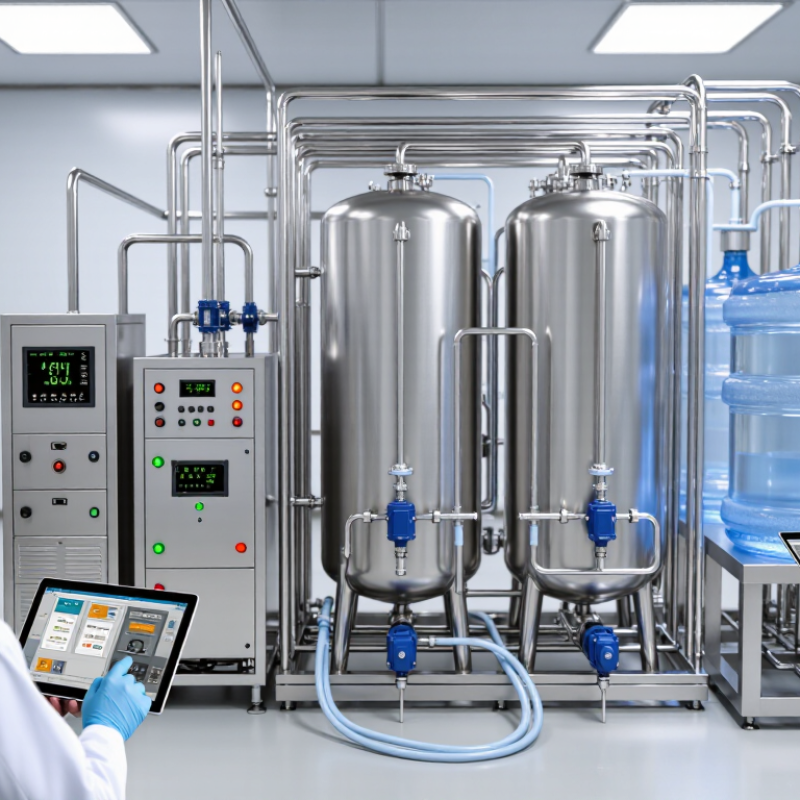
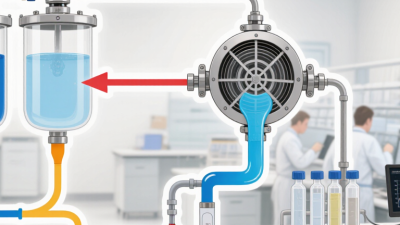
An inline buffer dilution system blends concentrated buffer ingredients with water as liquid moves through a process line. A metering pump or controlled feed sets the ingredient ratio, while a mixer helps distribute it evenly. The diluted buffer then flows toward its point of use, rather than waiting in a separately prepared tank.
The goal is consistency.
A typical setup may include feed lines, pumps, flow meters, a mixing element, and controls. Some systems also monitor pH or conductivity, offering operators a check on the blend. These readings are useful, but they do not replace suitable sampling or process validation.
Small details matter.
Even tubing size and flow changes can affect how well ingredients mix. The approach can reduce manual measuring and the need to store large volumes of prepared buffer. It can also support continuous operations where demand changes over time.
Still, inline blending is not automatically simpler. Concentrate compatibility, pump calibration, water quality, and cleaning procedures all need attention. A mismatch between the recipe and actual flow can shift the final concentration.
That part is easy to underestimate. Teams should test the system under expected operating conditions and review results before relying on it for routine production.
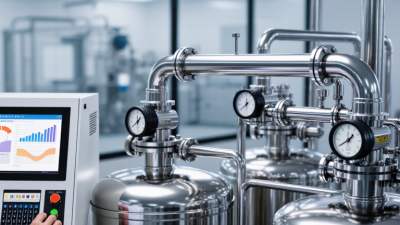
An inline buffer dilution system prepares process buffer as it is needed, rather than storing every working concentration in a large tank. A metering pump feeds concentrated buffer, while a second line supplies water for injection or another qualified diluent. Flow meters control the ratio. The streams meet in a mixing tee or static mixer, then pass sensors before reaching the process.
The dilution follows a simple mass balance: concentrate strength multiplied by concentrate flow must match the target strength multiplied by final flow. Operators enter the recipe and flow setpoint; the controller adjusts pump speeds to maintain the ratio. Conductivity can help confirm mixing, while pH checks whether the final buffer is within its specified range. Grand View Research estimated the global biopharmaceuticals market at USD 381.7 billion in 2023, with an 8.4% projected annual growth rate through 2030. That market context makes flexible buffer preparation relevant, but it does not prove that inline dilution improves every process.
Still, it is not magic. Sensor lag, poorly calibrated flow meters, or a nearly empty concentrate bag can shift the delivered recipe. A practical setup includes validated mixing conditions, alarm limits, and documented checks against prepared samples. Small details matter. Tubing dead legs and abrupt flow changes deserve review, too. The first trial may reveal that the target is harder to hold than the recipe suggests.
Inline buffer dilution turns concentrated stocks and water into prepared buffer just before use. The practical gain is less dependence on large, pre-mixed tanks. Operators set flow ratios, then check conductivity and pH at the outlet. With a 10× stock, one volume of concentrate plus nine volumes of diluent makes a 1× solution. Small arithmetic; meaningful space savings.
BioPlan Associates’ 2024 21st Annual Report and Survey of Biopharmaceutical Manufacturing Capacity and Production describes single-use technologies as widely adopted, with roughly nine in ten respondents reporting their use somewhere in operations. That is useful industry context, not proof that inline dilution alone improves output. Inline systems can reduce manual weighing, repeated transfers, and buffer hold time. Fewer open handling steps may lower contamination opportunities, while recipe-based controls support repeatability. That matters when a purification run needs several buffers.
There is a catch. Flow sensors, mixing geometry, and stock-concentration errors can still shift pH or conductivity. Not every stream behaves alike. A viscous concentrate may mix slowly, and an unchecked recipe can scale a mistake quickly. Teams should qualify the operating range, alarm limits, and sampling point using the actual buffer chemistry. Inline dilution saves tank space, but it does not replace process understanding.
Inline buffer dilution systems prepare working solutions by combining concentrated buffer with water or another compatible diluent as a process runs. Their applications vary by industry. In biotechnology and pharmaceutical manufacturing, they can supply process buffers for chromatography, filtration, and equipment cleaning. Consistent flow and mixing help operators maintain target concentrations across production batches.
Food and beverage facilities may use inline dilution to prepare cleaning solutions or process liquids at controlled strengths. Water-treatment plants can dilute treatment chemicals before dosing, while chemical manufacturers may use the systems to feed additives into larger production lines. Exact requirements differ: product viscosity, temperature, flow rate, and material compatibility all affect system design. A setup that works well in a pilot plant may need adjustment at full scale.
Tips: Check concentration at the point of use, not only at the mixer. Verify pump calibration and inspect filters regularly. Small changes matter. Inline systems can reduce manual measuring, but they do not remove the need for sampling and process checks. One practical limitation is that sensor readings may lag during flow changes, so validation under real operating conditions is worth the effort.
Choose an inline buffer dilution system around the process, not its headline flow rate. Define the required batch volume, target concentration range, and acceptable preparation time. Then check whether the system can hold those conditions across startup, steady operation, and recipe changes. Flow-meter accuracy, mixing performance, and sensor response matter: a fast system can still produce out-of-spec buffer if measurements lag. Confirm compatibility with your ingredients, tubing, and operating temperatures. Small details matter.
Water quality and verification also deserve attention. USP General Chapter <645> sets a Stage 1 conductivity limit of 1.3 μS/cm at 25°C for purified water. This is a useful incoming-water check, not proof that finished buffer meets its pH or concentration targets. Ask suppliers for documented accuracy ranges, calibration procedures, and evidence from testing with representative formulations. Review hold-up volume, drainability, and cleaning requirements, too. These are easy to underestimate during selection.
Tips: Test with your hardest-to-mix formulation, not just water. Record pH and conductivity at the outlet during flow changes; a stable reading after startup may hide brief excursions. Also check how recipes are secured and logged. If operators must repeatedly adjust settings by hand, the workflow may need another look.