What Is Inline Buffer Dilution and How Does It Work?
Inline Buffer Dilution is a controlled method for preparing process-ready buffer during production. Instead of storing every final concentration, a concentrated buffer meets a water or diluent stream inside a flow path. Pumps control both streams. A static mixer then promotes rapid blending before the solution reaches the next process step. In practical systems, operators monitor flow rate, conductivity, pH, temperature, and pressure. These measurements help confirm that the mixture matches its intended specification.
The method can reduce storage volume, preparation time, and manual handling. It is especially useful in biopharmaceutical manufacturing, chromatography, filtration, and other fluid-processing operations. However, Inline Buffer Dilution is not simply a matter of combining two liquids. Pump calibration, sensor location, mixing efficiency, tubing geometry, and fluid temperature can all affect performance. Small errors may create concentration shifts that are difficult to notice immediately. That is why reliable systems require documented procedures, equipment qualification, routine sampling, and suitable process controls.
The principle sounds simple.
Yet simplified explanations can hide important risks. A conductivity reading may appear stable while a pH value changes later. A validated flow ratio may also perform differently after maintenance or scale-up. Engineers should therefore compare calculated dilution values with measured results. They should also investigate unexpected trends instead of assuming perfect mixing. This article explains how Inline Buffer Dilution works, where its strengths appear, and which practical limitations deserve careful review.
Definition and Purpose of Inline Buffer Dilution
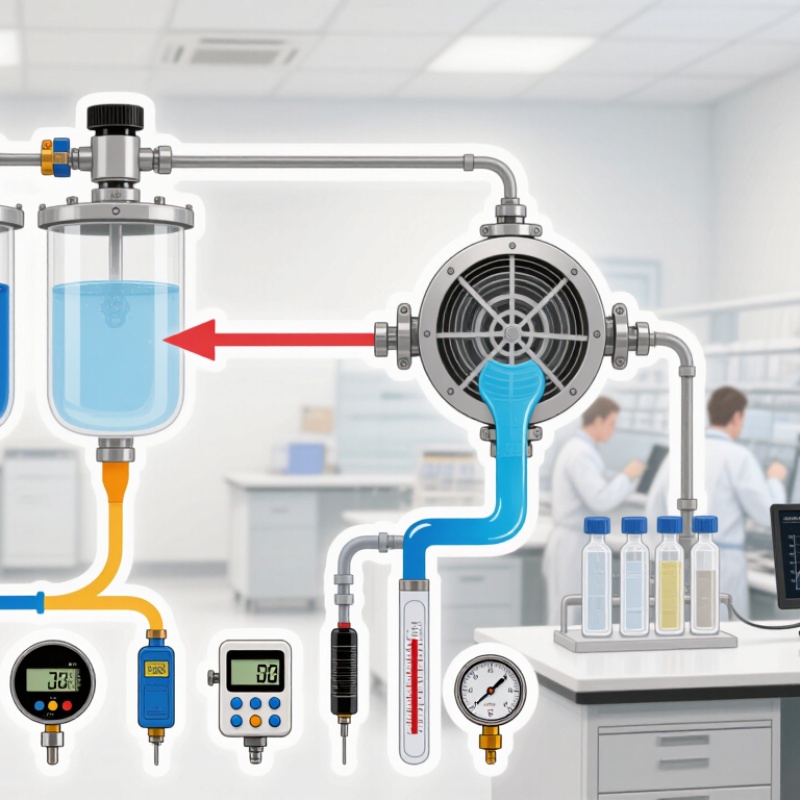
Inline buffer dilution is the controlled blending of concentrated buffer with a diluent during production. A pumping system meters both liquids into a mixing path. The resulting solution reaches a planned concentration, pH, conductivity, or volume.
Its main purpose is to prepare usable buffer when needed, rather than storing large quantities of diluted liquid. This approach can reduce tank space, preparation time, and waste from expired solutions. It also supports faster formula changes. However, inline dilution is not simply adding water. Flow accuracy, mixing efficiency, temperature, and raw material quality can all affect the final result.
Reliable operation requires calibrated pumps and verified sensors. Operators usually check pH and conductivity at defined sampling points. They also compare the measured concentration with the process specification. A small error matters. Poor mixing can create temporary concentration differences, especially during startup or flow changes. For this reason, a documented flush and stabilization procedure is essential.
In practical facilities, engineers often begin with a controlled test using water or a non-critical solution. They observe pressure, flow response, and mixing time before routine use. This step may seem slow, but skipping it creates uncertainty. The dilution ratio can also drift when tubing ages or instruments lose calibration. Regular verification remains necessary, even when the system appears stable.
Key Components of an Inline Buffer Dilution System
Inline buffer dilution combines concentrated buffer with water or another process fluid during production. It reduces tank handling and supports faster recipe changes. The principle is simple: controlled streams meet, mix, and deliver a target concentration continuously. In practice, the result depends on flow accuracy, temperature, and mixing energy. Small errors accumulate.
Key components define system reliability. Feed vessels hold concentrates and dilution water under controlled conditions. Metering pumps regulate each stream, while flowmeters verify the actual ratio. A static mixer then creates a uniform buffer before delivery. Conductivity, pH, temperature, and pressure sensors provide process evidence. A programmable control system compares readings with setpoints and adjusts pump speed. The 2024 BioPlan Associates Annual Report reported that about 70% of surveyed biomanufacturers considered single-use technology strategically important, supporting flexible buffer systems with reduced cleaning demands. The equipment still needs careful validation.
Filters protect downstream operations. Sampling ports allow laboratory confirmation of concentration and bioburden controls. Alarm logic should detect blocked filters, empty vessels, air entry, and unstable flow. According to FDA process analytical technology guidance, timely measurement can support better process understanding and control. Yet conductivity is not a perfect substitute for every buffer assay. That assumption deserves review. Calibration records, mixing studies, and batch comparisons remain essential. A well-designed system may look compact, but its control strategy cannot be treated as an afterthought.
How Inline Buffer Dilution Works Step by Step
Inline buffer dilution creates working buffer continuously from concentrated stock and purified water. It helps facilities reduce storage space and adjust volume quickly. The method depends on accurate flow control, clean equipment, and verified measurements.
The process starts with prepared concentrate and treated water entering separate lines. Metering pumps regulate both streams according to the target dilution ratio. A controller compares their flow rates and adjusts the pumps when needed. The streams then pass through a static mixer, where turbulence blends them evenly. Sensors check conductivity, pH, temperature, and sometimes concentration after mixing. Operators collect samples at defined intervals and compare results with approved specifications. If readings drift, the system can slow production, trigger an alarm, or divert the batch. Small changes matter. A poorly calibrated sensor may create a correct-looking flow but an incorrect buffer.
Tips:
Confirm pump calibration before each campaign. Check sensor accuracy with suitable reference standards. Allow enough line volume for the mixture to stabilize before sampling. Record water quality, temperature, flow settings, and test results. Keep tubing and mixing chambers clean, because residue can affect pH and conductivity. Operators should also review unusual trends instead of accepting every automatic reading. Automation reduces routine work, but it does not replace judgment.
Factors That Affect Dilution Accuracy and Consistency
What Is Inline Buffer Dilution and How Does It Work?
Inline buffer dilution combines a concentrated buffer with a diluent during continuous flow. Separate pumps deliver both liquids at controlled rates. A mixing chamber then produces the target concentration before use. The dilution ratio depends on the relative flow rates, not simply the pump settings.
Accuracy can change when pumps lose calibration or tubing becomes partially blocked. Small flow errors may create noticeable concentration shifts in low-volume systems. Temperature also matters because viscosity affects pump performance and liquid movement. Bubbles are another concern. They can interrupt flow and produce uneven mixing. Keep the tubing connections secure. Check for trapped air before operation.
Mixing time, chamber design, and total flow rate influence consistency. A fast stream may leave insufficient time for complete blending. A slow stream can increase residence time and create unwanted delays. Tubing dead volume may also hold an older solution after the settings change. Measure conductivity, pH, or another suitable property at the outlet. Compare the result with a prepared reference sample. This practical check often reveals problems that software does not show.
Cleaning and regular calibration support reliable performance. However, even a well-maintained system can drift. I have found that recording temperature, flow readings, and outlet measurements helps explain unexpected results. One overlooked detail can matter. Before accepting a batch, confirm the actual dilution rather than trusting the programmed ratio alone.
Common Applications of Inline Buffer Dilution
Inline buffer dilution blends concentrated buffer with a diluent during processing, rather than preparing every solution in a large tank. Flow meters control each stream, while sensors check conductivity, pH, temperature, or concentration. The system can then adjust the ratio as process conditions change. It sounds simple, but timing and mixing quality matter.
A common application is chromatography, where different buffer strengths move proteins through a separation column. Inline dilution can create a controlled gradient without storing many intermediate solutions. This reduces tank use and may lower preparation time. In bioprocessing, operators also use it for pH adjustment, conductivity control, and wash-step preparation. A measured blend can be delivered close to the point of use, often through a short stainless-steel line.
It also supports cell culture and filtration workflows. For example, a concentrated salt solution may be diluted before contacting sensitive cells or a membrane. Accurate control helps prevent sudden osmotic changes and protects product quality. Small-scale laboratories use similar systems for sample preparation and analytical testing. However, inline dilution is not automatically precise. Poor calibration, trapped air, or delayed sensor readings can produce an incorrect buffer strength. Dead volume may also affect the first few liters. Regular verification, documented procedures, and careful sampling remain necessary. One practical weakness is often overlooked: a clean-looking line can still hide uneven mixing.