What is a Peptide Synthesizer Machine and How Does It Work?
In the world of biotechnology, the "Peptide Synthesizer Machine" plays a crucial role. Experts, like Dr. Emily Roberts, a leading figure in peptide research, emphasize its importance. She states, "The Peptide Synthesizer Machine transforms complex ideas into tangible results." This machine streamlines the production of peptides, which are vital for various applications, including drug development and diagnostics.
These machines can produce peptides with precision and efficiency. They work by assembling amino acids in a specific sequence, creating the desired peptide. The process involves numerous cyclical reactions, which can be intricate and sometimes flawed. Each step requires careful monitoring, reflecting the machine's sensitivity and the expert knowledge needed to operate it properly.
Despite their advanced technology, Peptide Synthesizer Machines have limitations. Ensuring high purity and yield can be challenging. Mistakes can occur during synthesis, leading to unusable products. Thus, the expertise of the operator is essential. With ongoing advancements, the reliability of these machines continues to improve, yet room for error remains. In the end, understanding their complexities is key for success in peptide synthesis.
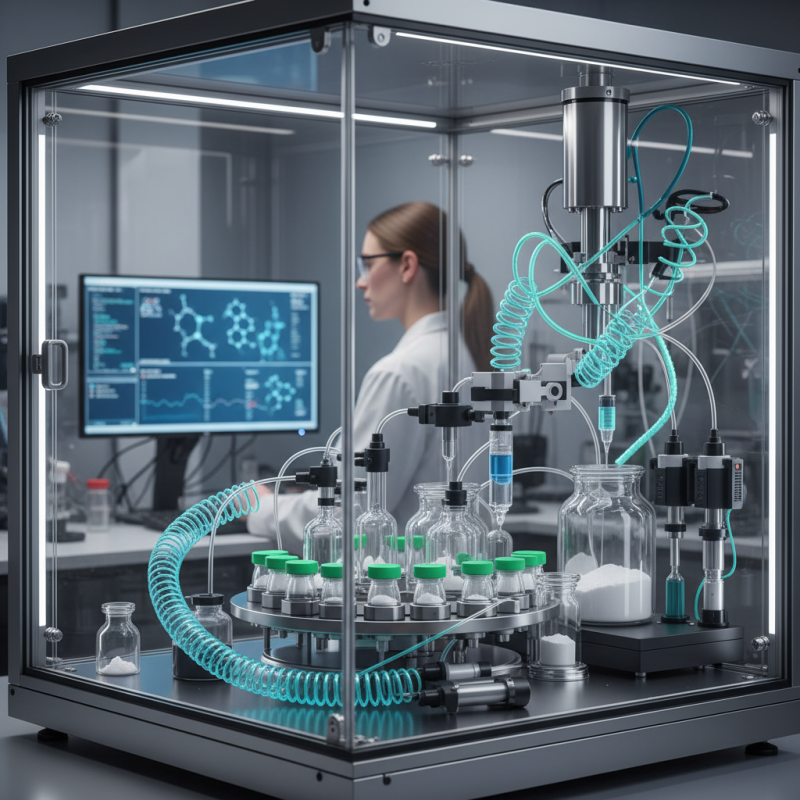
What is a Peptide Synthesizer Machine?
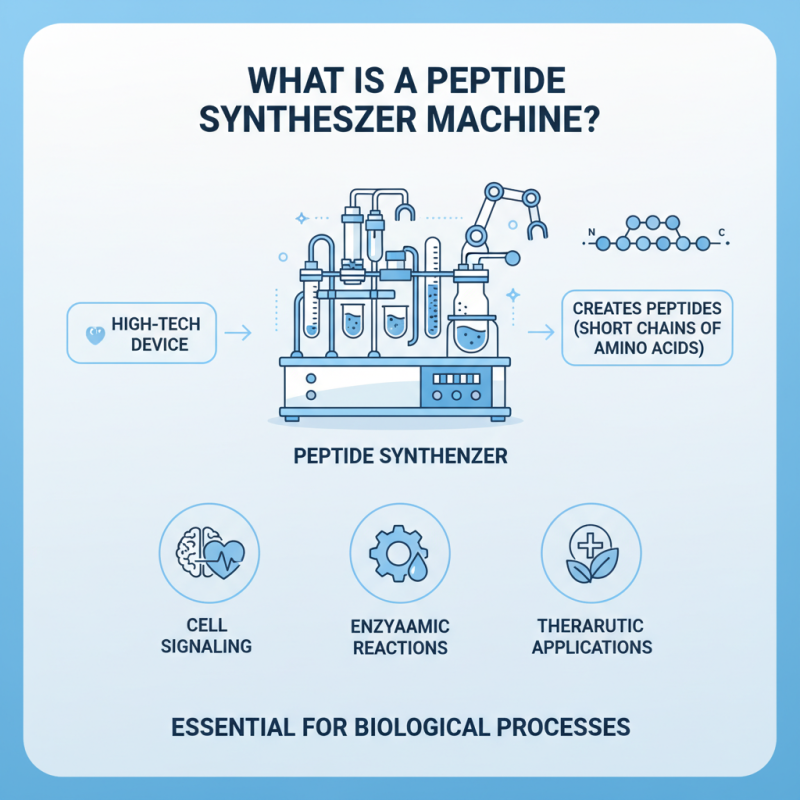
A peptide synthesizer machine is a high-tech device used to create peptides. Peptides are short chains of amino acids, essential for various biological processes. These chains play crucial roles in signaling, enzymatic reactions, and even therapeutic applications.
The machine operates using a method called solid-phase peptide synthesis (SPPS). In this approach, amino acids are sequentially added to a growing peptide chain attached to a solid surface. The process involves several chemical reactions, each meticulously controlled by the machine. With precision, the synthesizer can execute dozens of these reactions in a single run. This automation allows for the rapid production of complex peptides that would be challenging to create manually.
However, peptide synthesis is not without its challenges. Sometimes, the desired yield is not achieved, or the purity of the product needs further optimization. The intricacies of chemical reactions and the potential for incomplete reactions require careful monitoring. Understanding these variables is essential for improving the reliability of peptide synthesis through automation. Despite potential setbacks, the advances in technology continue to enhance the efficiency of these machines, pushing the boundaries of peptide research.
The Basic Components of a Peptide Synthesizer
A peptide synthesizer machine is essential for producing peptides in laboratories. Understanding its basic components can shed light on its functionality and importance.
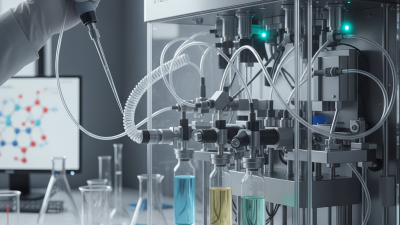
At the heart of a peptide synthesizer is the reaction chamber, where amino acids combine to form peptides. This chamber is controlled precisely to ensure optimal conditions. The machine typically features reservoirs for each amino acid, allowing for sequential addition during synthesis. Automation simplifies the process, reducing the risk of human error. Yet, operators must remain vigilant; even minor mistakes can lead to suboptimal results.
Another crucial part is the control system. It monitors temperature and pressure, ensuring the ideal environment for reactions. The system also includes software that programs the synthesis, making it easier to create custom peptides. However, this software can be complex. Users may need training to fully harness its capabilities. Additionally, calibration of components is essential to maintain accuracy.
Without proper calibration, results can be inconsistent. This highlights the importance of attention to detail in operations and the value of experience when using the machine.
How Peptide Synthesis Works: A Step-by-Step Process
Peptide synthesis is a crucial process in biochemistry. It involves creating peptides, which are short chains of amino acids. Understanding this process can help in various fields, including pharmaceuticals and biotechnology.
The peptide synthesis process typically starts with the selection of amino acids. These building blocks are crucial for determining the properties of the resulting peptide. The sequence and structure of a peptide impact its biological function significantly. Researchers often use automated peptide synthesizers to streamline this process, enhancing efficiency and reproducibility.
After selecting the amino acids, the synthesis proceeds through solid-phase synthesis or solution-phase synthesis. Solid-phase synthesis is the most common method. It allows for faster and more efficient assembly of peptides. Each amino acid is added sequentially, with protective groups used to ensure correct bonding. This method can lead to some challenges, like incomplete reactions or side products. These imperfections require careful monitoring and analysis during synthesis.
**Tip:** Regular calibration and maintenance of the synthesizer can minimize errors.
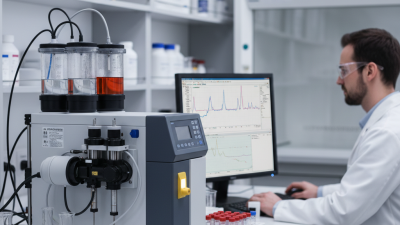
After synthesis, the peptide undergoes purification. High-performance liquid chromatography (HPLC) is often used to remove impurities. Ensuring the purity of synthesized peptides is vital for their efficacy in research or therapeutic applications.
**Tip:** Always validate peptide identity and purity with mass spectrometry.
In conclusion, peptide synthesis is complex but essential. By mastering this process, researchers advance drug development and understand biological mechanisms better. However, continuous improvement and quality control are necessary to optimize results.
What is a Peptide Synthesizer Machine and How Does It Work?
| Step |
Description |
Time (minutes) |
Temperature (°C) |
| 1 |
Deprotection of the amino acid |
10 |
20 |
| 2 |
Coupling with the next amino acid |
15 |
25 |
| 3 |
Washing the resin |
5 |
20 |
| 4 |
Cleavage of the peptide from the resin |
20 |
30 |
| 5 |
Purification of the peptide |
30 |
Room Temperature |
Applications of Peptide Synthesizers in Biotechnology
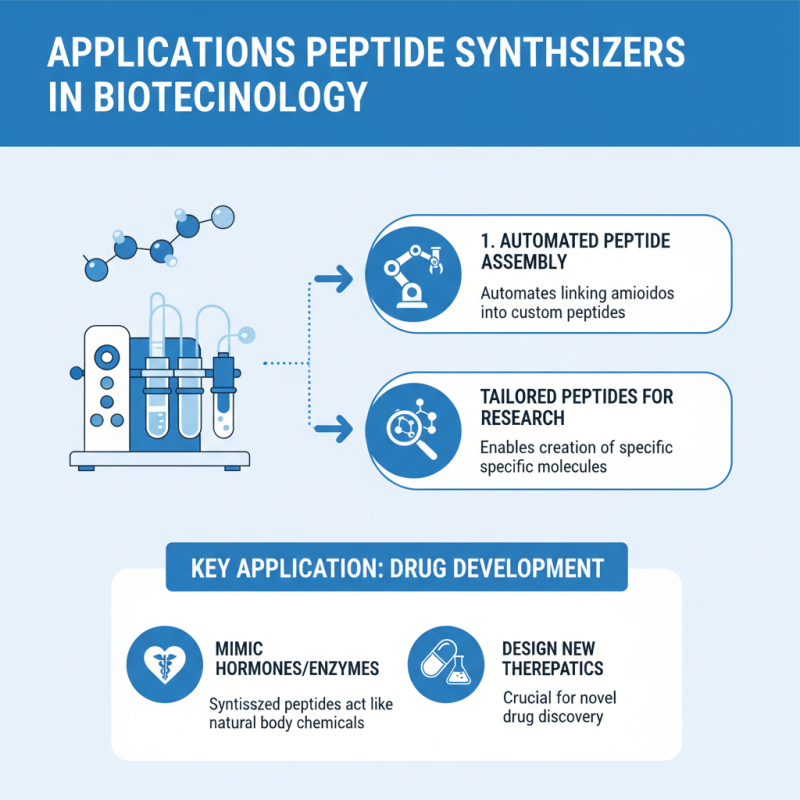
Peptide synthesizers play a vital role in biotechnology. They automate the process of assembling amino acids into peptides. This technology enables researchers to create tailored peptides for various applications. In drug development, for instance, peptides can mimic natural hormones or enzymes. These synthesized molecules are crucial for designing new therapeutics.
Peptide synthesizers are not only beneficial in medicine. They are used in vaccine production as well. Vaccines often incorporate peptides to elicit a strong immune response. Additionally, these machines assist in the study of protein interactions. Understanding how peptides interact with proteins can lead to insights in cellular processes.
However, the technology is not without challenges. Sometimes, the synthesis process can lead to impurities. These impurities may affect the peptide's function. Researchers must carefully monitor and evaluate the results. Continuous improvement in the synthesis protocols is essential. This ensures the reliability of the peptides produced, ultimately enhancing their applications in the field.
Future Trends in Peptide Synthesis Technology
Peptide synthesis technology is rapidly evolving. Recent advancements focus on improving efficiency and accuracy in peptide synthesizers. High-throughput methods enable mass production of peptides. These changes are crucial for fields like drug discovery and personalized medicine.
One exciting trend is automation. Machines now integrate AI for better process control. This innovation minimizes human error and enhances reliability. However, challenges remain. Not all synthesis methods yield peptides with high purity. Ongoing research aims to create more efficient purification techniques.
Another future trend is green chemistry. Sustainable practices are becoming essential. Reducing waste in peptide synthesis can make a significant impact. There's potential for eco-friendly solvents and reagents. Innovating in this area requires collaboration and open dialogue among scientists. The road ahead is promising but not without hurdles to overcome.
Peptide Synthesizer Machine Performance Metrics
This bar chart represents the performance metrics of peptide synthesizer machines. It showcases the average speed of synthesis, purity of synthesized peptides, yield of production, and cost per milligram. The data indicates a balance between speed and quality, which is critical for advancements in peptide synthesis technology.