
2026 Best Peptide Synthesizer Machine for Global Buyers?
Choosing the 2026 best Peptide Synthesizer Machine requires more than comparing prices or touchscreen features. Global buyers need dependable chemistry, repeatable performance, responsive service, and clear compliance documentation. A reliable system should support accurate reagent delivery, stable temperature control, secure vessel handling, and efficient washing cycles. These details matter when a small volume error can affect an entire synthesis batch.
This guide examines suitable machines through practical laboratory experience and manufacturer evidence. It considers synthesis scale, automation level, software usability, maintenance access, and compatibility with commonly approved materials. It also reviews training, warranty coverage, installation support, and the availability of replacement parts across different regions. Regulatory expectations vary between countries, so buyers should verify import rules, laboratory standards, electrical requirements, and chemical-handling obligations locally. Do not rely on marketing language alone.
Real-world testing matters.
A polished brochure may hide difficult maintenance or slow technical support. That weakness deserves attention. No single instrument will suit every laboratory, budget, or workflow. A compact machine may fit a research team, while a higher-throughput platform may better serve established production environments. Energy use, waste management, operator safety, and data traceability also deserve careful review. These factors can feel less exciting than automation speed, yet they often shape long-term value. The recommendations ahead aim to help international buyers compare credible options with a practical, evidence-based mindset. Some specifications may change during 2026, so direct confirmation from authorized manufacturers remains essential before purchase.
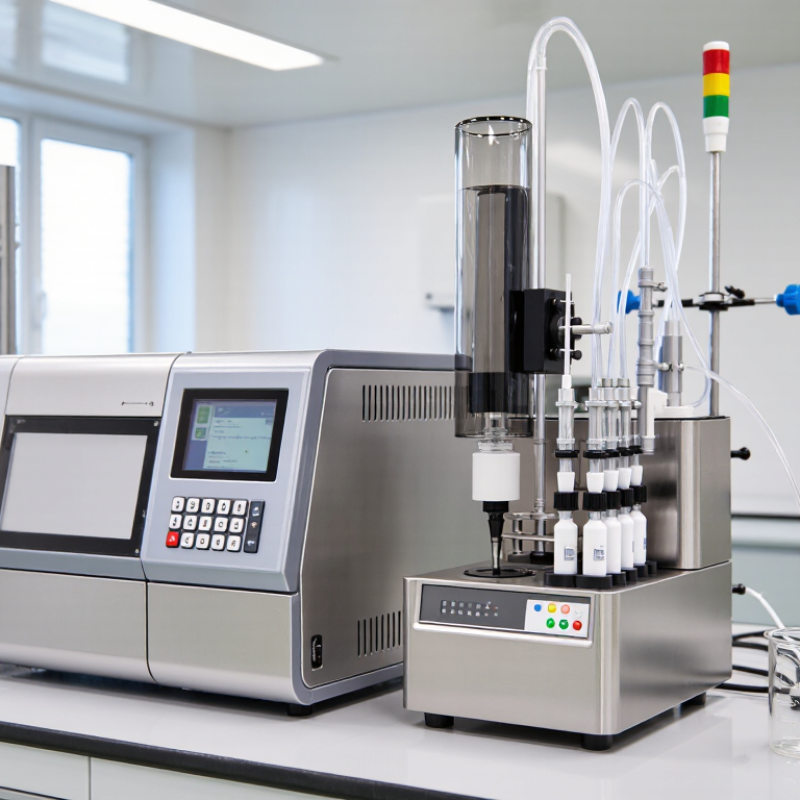
Peptide Synthesizer Machines: Definition, Purpose, and Core Functions
A peptide synthesizer machine is laboratory equipment that assembles peptides through controlled chemical cycles. It links selected amino acids to a growing chain on a solid support. In practice, technicians load protected amino acids, activate reagents, and program the desired sequence. The machine repeats washing, coupling, deprotection, and transfer steps with measured timing. Small errors accumulate.
Its purpose is to improve consistency, reduce repetitive manual work, and support research or controlled production workflows. Core functions usually include reagent delivery, temperature management, reaction timing, solvent washing, and sequence programming. Some systems also monitor pressure, liquid levels, or failed transfers. These features help operators identify problems before an entire batch is lost. A visible detail matters: clean tubing and accurate pumps often influence results more than an impressive screen.
For global buyers in 2026, evaluation should include usable synthesis scale, sequence length, solvent compatibility, voltage requirements, safety controls, documentation, and technical training. Ask for performance data under realistic workloads. Manuals should explain maintenance clearly. Service access also matters when a valve fails during a long run. The best machine depends on the laboratory’s chemistry, staff experience, and expected output. Automation does not replace judgment. Operators still inspect reagents, confirm calibration, and review abnormal readings. I would avoid choosing only by speed or price. That assumption fails. A slower system with dependable support may protect samples, schedules, and research budgets better.
2026 Best Peptide Synthesizer Machine for Global Buyers? - Peptide Synthesizer Machines: Definition, Purpose, and Core Functions
| Evaluation Dimension | Typical Specification or Range | Purpose in Peptide Synthesis | What Global Buyers Should Check |
|---|---|---|---|
| Machine definition | An automated instrument that performs programmed solid-phase peptide synthesis (SPPS) cycles. | Reduces repetitive manual operations and improves process consistency. | Confirm whether the system supports the intended resin, chemistry, scale, and peptide length. |
| Primary synthesis method | Usually Fmoc-based SPPS; some systems can also be configured for Boc chemistry. | Builds the peptide chain from the C-terminus to the N-terminus on a solid resin support. | Check reagent compatibility, deprotection conditions, and validated synthesis protocols. |
| Typical synthesis scale | Common laboratory configurations range from approximately 0.005 mmol to 10 mmol per reactor position. | Determines the approximate amount of crude peptide produced per run. | Select a scale that matches research, analytical, process-development, or small-batch production needs. |
| Reactor capacity | Single-reactor systems and multi-reactor systems are available; parallel formats commonly support 2–24 or more vessels. | Enables one sequence or multiple sequences to be synthesized in parallel. | Evaluate throughput, independent reactor control, cross-contamination protection, and vessel replacement cost. |
| Core synthesis cycle | Resin swelling, deprotection, washing, amino-acid activation, coupling, capping, and final cleavage. | Controls the chemical steps required to add each amino-acid residue. | Verify that every required step can be programmed and that cycle parameters are adjustable. |
| Reagent and solvent handling | Dedicated reservoirs, metering pumps, valves, tubing, filters, and waste lines. | Delivers accurate volumes of amino acids, activators, deprotecting agents, solvents, and wash solutions. | Check chemical resistance, dead volume, priming procedures, leak detection, and solvent consumption. |
| Temperature control | Some systems provide ambient operation; advanced configurations may include controlled heating or cooling. | Supports temperature-sensitive coupling, difficult sequences, and reproducible reaction conditions. | Review operating range, temperature uniformity, calibration, and compatibility with the selected chemistry. |
| Automation and software | Sequence editor, reagent library, method templates, user access control, alarms, and run-history records. | Allows repeatable synthesis programs and reduces operator intervention. | Look for editable protocols, audit trails, data export, multilingual support, and backup functions. |
| Monitoring and safety | Common features include pressure or flow monitoring, liquid-level alerts, leak detection, door interlocks, and exhaust connections. | Helps identify blocked lines, insufficient reagent delivery, spills, and unsafe operating conditions. | Confirm local electrical, chemical-safety, ventilation, and laboratory compliance requirements. |
| Throughput considerations | Run time depends on sequence length, coupling cycles, reactor count, chemistry, and washing requirements. | Determines how many peptide sequences can be completed within a working period. | Request cycle-time data using a representative peptide rather than relying only on maximum throughput claims. |
| Peptide length suitability | Short and medium-length sequences are generally more straightforward; long or aggregation-prone sequences may require special protocols. | Supports method selection for difficult sequences, hydrophobic residues, and repetitive motifs. | Ask for application data using similar sequence length, composition, and purification requirements. |
| Final cleavage and deprotection | May be performed manually or through an integrated cleavage module, depending on system design. | Releases the peptide from the resin and removes protecting groups when required. | Check acid compatibility, gas handling, temperature control, waste management, and operator protection. |
| Output and purification | The synthesizer produces crude peptide; purification commonly requires preparative HPLC or another downstream method. | Separates the target peptide from deletion sequences, side products, salts, and residual reagents. | Plan the complete workflow, including cleavage, precipitation, purification, analysis, and storage. |
| Utilities and installation | Requirements may include electrical power, compressed gas or inert gas, solvent storage, drainage, and chemical exhaust. | Ensures stable operation and safe handling of volatile or corrosive chemicals. | Confirm voltage, frequency, footprint, ventilation, room classification, and installation responsibilities before purchase. |
| Quality and documentation | Useful documents include operating manuals, preventive-maintenance schedules, calibration records, and validation support. | Supports reproducibility, troubleshooting, training, and regulated laboratory workflows. | Request installation qualification, operational qualification, service records, and software-version documentation where applicable. |
| Best-fit buyer profile in 2026 | Research laboratories, analytical teams, biotechnology developers, pharmaceutical process groups, and custom peptide facilities. | Matches automation level and reactor capacity to the buyer’s actual peptide-development workload. | Prioritize chemistry support, service availability, consumable supply, training, total operating cost, and scalability over headline specifications. |
Note: Specifications vary by configuration. Buyers should verify the final technical data, chemical compatibility, safety requirements, and applicable regulations for the intended application.
Related Posts
-
What Is a Peptide Synthesizer and How Does It Work?
-
Ultimate Tips for Efficient Peptide Synthesis Machine Use?
-

Top 10 Tips for Choosing the Right Peptide Synthesizer Machine?
-
2026 How to Choose the Best Peptide Synthesizer Machine?
-
Top 10 Peptide Synthesizers for Efficient Research Needs?
-
How to Choose a Peptide Synthesis Supplier?