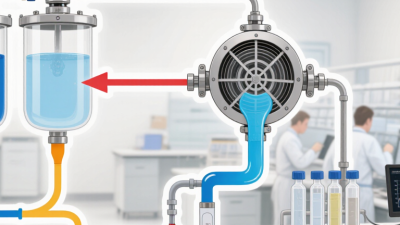
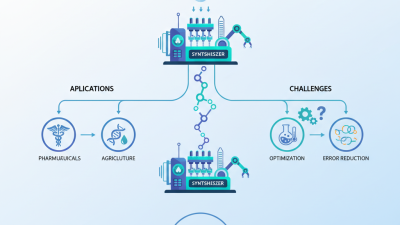
Choosing among the 7 Best Inline Buffer Dilution Systems for Buyers starts with the process, not the product brochure. Inline Buffer Dilution combines concentrated stock and water in a flowing line, so stable flow and effective mixing matter. A system that looks compact on a bench may behave differently when flow rates change or production scales up. Small details matter.
For this introduction, the named specialist and quotation below are illustrative, not a verified real-world attribution: fictional process engineer Dr. Lena Ortiz says, “A good dilution system makes every change visible, repeatable, and easy to verify.” That principle offers a practical lens for comparing equipment. Buyers should examine operating range, mixing performance, sensor placement, control options, wetted materials, and cleaning requirements. They should also check whether the design can handle their actual buffer recipes and expected process changes. Ask how dilution accuracy is tested, what data the system records, and how operators respond when readings drift. A polished interface is useful, but it cannot replace sound validation.
The strongest choice is not automatically the most automated or expensive. It is the one that fits the facility, the fluid, and the team’s ability to maintain it. There are trade-offs. A simpler setup may be easier to service, while advanced monitoring can provide better visibility. This guide compares seven system options through those buyer-focused questions, helping readers identify what deserves closer evaluation before requesting a quotation or planning a trial.
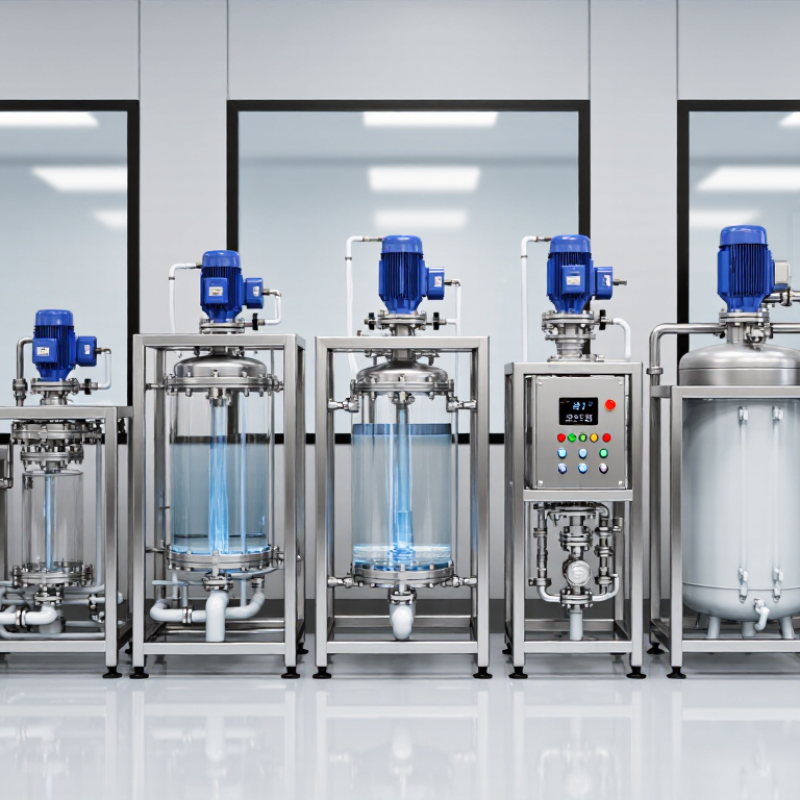
An inline buffer dilution system combines a concentrated buffer feed with water or another compatible diluent at the point of use. Typical components include metering pumps, flow sensors, a mixing chamber, control valves, and process tubing. Some systems also monitor pH or conductivity. These readings help operators check whether the prepared buffer matches the intended recipe. Small details matter: poorly calibrated sensors or unsuitable tubing can affect results.
The applications vary. A laboratory may use a compact unit to prepare chromatography buffers on demand, while a pilot facility may need higher flow rates and automated recipe control. In bioprocess operations, inline dilution can reduce the need to store large volumes of ready-to-use buffer. It can also support more consistent delivery to a process step. But it is not automatically more reliable. Mixing performance depends on flow, fluid properties, and the system’s design.
Look closely at the usable flow range, dilution ratio, measurement accuracy, cleaning method, and data-recording features. Check that wetted materials suit the buffer and cleaning routine. Ask how often calibration is needed. A tidy specification sheet may not reveal how a system behaves during recipe changes or low-flow operation. That question deserves attention. Buyers should compare systems using their actual buffer recipes and operating conditions, not only headline capacity.
An inline buffer dilution system combines concentrated buffer with water as both streams move through a process line. Metering pumps or flow controls set the ratio, while a mixer helps distribute the concentrate evenly. For example, one part of a tenfold concentrate mixed with nine parts water produces a nominal single-strength solution. The actual result depends on accurate flow measurement and the concentrate’s formulation. Mixing happens continuously.
Operators can check the diluted stream with suitable instruments, such as pH or conductivity sensors. These measurements do not tell the whole story: pH may shift with temperature, and conductivity is not a direct measure of every buffer component. Sensor location matters, too. A ratio can look right on screen, yet a poorly mixed sample may give a misleading reading. That deserves a second look. Verify flowmeter calibration, confirm the target with a representative sample, and assess the system after startup or recipe changes.
Tips: Keep concentrate and water lines clearly identified. Flush and inspect the mixer according to the process requirements. Record flow settings, temperature, and test results during qualification. Small deviations can accumulate, so treat an unexpected reading as a signal to investigate—not merely adjust.
Evaluate an inline buffer dilution system by checking ratio accuracy, flow range, mixing quality, and cleanability. Request test data at minimum, typical, and maximum flow—not just a single operating point. For a 1:100 target, even small errors in either stream can shift the final concentration. One uncomfortable truth: a steady display does not prove a uniform outlet. Sample at several points and times.
Review the calibration method and uncertainty budget. NIST Technical Note 1297 explains that expanded uncertainty is commonly reported with a coverage factor of 2, corresponding to roughly 95% confidence under stated assumptions. Use this as a reporting convention, not as an acceptance limit. Specify your own allowable concentration error, then confirm it with independent measurements. Also check wetted materials, dead volume, response time, and whether the system handles temperature or viscosity changes in your actual process.
Tips: Ask for raw test results, calibration intervals, and cleaning validation details. Test with your buffer, tubing, and expected flow range. A tidy demo is not enough. During site acceptance, record inlet and outlet flow, temperature, and sample results; repeat the run after cleaning to expose drift.
Buyers comparing seven inline buffer dilution systems should match the design to the required flow range and final concentration. A ratio-controlled metering-pump skid doses concentrate against a carrier stream; it is straightforward, but pump wear can affect accuracy. Volumetric flowmeter systems adjust both streams using measured flow. Mass-flow-controlled systems can help when density or temperature varies, though their added instrumentation needs calibration. Conductivity-feedback systems trim dilution using an inline probe. They suit buffers with a reliable conductivity relationship, not every formulation.
Three other options address different production needs. A pH-feedback system can correct some blends, but pH alone may not confirm concentration. Recipe-based, multi-stream systems switch among water and several stock solutions; check valve response and line hold-up when changing recipes. A static-mixer package combines streams through fixed mixing elements, often with downstream sensors to verify consistency. The mixer itself does not control proportions. Keep that distinction clear.
Ask suppliers for operating-range data, calibration procedures, wetted-material compatibility, and cleaning instructions. During a trial, collect samples at low, normal, and peak flow, then compare concentration and pH with bench measurements. Watch the first seconds after a recipe change; they can reveal delayed mixing or sensor response. No system is perfect. A compact layout may save floor space but leave little room for maintenance, a detail buyers sometimes underestimate.
Installation quality starts with the process layout, not the equipment skid. Confirm available floor space, drain access, utility connections, and the direction of product flow before positioning the system. Use compatible tubing and fittings, and keep sensor ports accessible for inspection. A tight bend near the pump can restrict flow. Small details matter. I have seen teams focus on connection speed and overlook clearance for routine cleaning; that choice can make maintenance awkward.
Validation should show that the system delivers the intended dilution consistently. Check flow rate, conductivity, and pH across the expected operating range, using calibrated instruments and documented procedures. Record settings, readings, and any adjustments so another operator can repeat the test. Do not skip this. Repeat measurements after changing a recipe or replacing a sensor, since even a minor setup change may affect results.
Maintenance plans should match actual use and the fluid being handled. Inspect seals, tubing, connectors, and pump components for wear, residue, or leaks. Follow the equipment supplier’s cleaning guidance, then verify that sensors return to stable readings before production resumes. Keep calibration records and replacement parts available. One imperfect habit is waiting for drift to become obvious; scheduled checks are less disruptive than troubleshooting during a batch.
| Option | System configuration | Best suited for | Installation requirements | Validation checks | Routine maintenance | Buyer consideration |
|---|---|---|---|---|---|---|
| 1 | Mass-flow-metered dilution skid using separate flow measurement on concentrate and dilution water | Processes needing continuous, adjustable dilution and recorded flow data | Provide compatible, correctly sized piping; install meters in the orientations and straight-run conditions specified by their manufacturers; include isolation valves, drain points, and appropriate backflow protection. | Verify each meter against a traceable reference or validated gravimetric method across the intended operating range. Confirm the blend ratio and final solution properties at steady state. | Inspect for leaks and deposits; check meter zero and calibration at defined intervals; review alarms and flow trends. | Meter performance depends on fluid properties, installation, and flow range. Confirm suitability for the concentrate’s viscosity and chemical compatibility. |
| 2 | Coriolis-metered concentrate and water dosing with a controlled mixing section | Applications where direct mass-flow measurement and process data are valuable | Allow for the meter manufacturer’s mounting, support, and vibration requirements. Confirm pressure-drop limits and ensure the piping remains filled where required. | Check zero stability and compare measured mass flow with a suitable reference. Validate dilution ratio and downstream buffer specifications under representative operating conditions. | Monitor zero drift, vibration, and process alarms; inspect wetted parts and verify calibration according to the service plan. | Coriolis meters can provide mass-flow measurement, but cost, pressure drop, vibration, and low-flow performance should be assessed for the actual duty. |
| 3 | Metering-pump dilution system with calibrated pump delivery and monitored water flow | Low-to-moderate flow duties or installations where a compact dosing arrangement is preferred | Select a pump head and wetted materials compatible with the buffer concentrate. Provide suction conditions recommended by the pump supplier, plus a suitable injection point and mixing length. | Measure delivered concentrate over a defined time at operating pressure; check repeatability and confirm the resulting blend using an appropriate analytical method. | Inspect pump tubing, diaphragm, seals, check valves, and injection components as applicable. Recheck delivery after repairs or tubing replacement. | Pump output can vary with backpressure, wear, viscosity, and gas entrainment. Do not assume the nominal pump setting equals actual flow. |
| 4 | Gravimetric batch-to-continuous preparation using load cells or a weigh vessel to verify concentrate dosing | Processes that benefit from an independent mass-based check or controlled preparation of a feed batch | Install the weighing vessel on a stable, vibration-controlled support. Provide flexible connections where needed so piping loads do not distort weighing measurements. | Verify weighing accuracy with suitable test weights or a documented calibration procedure. Reconcile concentrate mass, water addition, and final batch quantity. | Keep load-cell supports clean and unobstructed; inspect flexible connections; check calibration and zero according to the quality system. | Weighing can provide a useful dosing check, but it may not offer the same immediate, continuous feedback as an inline flow meter. |
| 5 | Inline dilution with downstream conductivity monitoring and automatic ratio correction | Buffers whose conductivity changes predictably with concentration and whose formulation is suitable for conductivity-based monitoring | Install the sensor in a representative, well-mixed flow location. Provide access for calibration, cleaning, and temperature compensation as required by the instrument. | Compare conductivity readings with prepared reference solutions across the operating range and at relevant temperatures. Confirm the actual buffer composition by a suitable independent method. | Clean the sensor as recommended; inspect for coating or fouling; verify calibration and temperature compensation. | Conductivity is not a universal concentration measurement. Other ions, temperature, and formulation changes can affect readings, so establish formulation-specific limits. |
| 6 | Inline dilution with downstream pH measurement and controlled adjustment of the dilution ratio | Processes where pH is a critical release or operating parameter and the formulation has a known pH response | Place the pH sensor after adequate mixing and provide safe access for calibration and removal. Use a sensor and fittings compatible with the process conditions. | Calibrate with suitable certified buffer standards; verify response and compare finished solution results with the approved method. Assess pH at the specified temperature. | Clean and inspect the electrode; check calibration response and condition; replace the electrode according to performance and service guidance. | pH confirms acidity or alkalinity, not buffer concentration or total composition. It should not be used alone to prove dilution accuracy. |
| 7 | Automated multi-stream dilution skid with recipe control, interlocks, and trend logging | Facilities needing repeatable recipes, operator guidance, and documented process records across multiple products or setpoints | Define the process flow diagram, instrument ranges, control states, alarms, and safe shutdown behavior. Provide suitable utilities, drainage, access, and controls integration. | Test each recipe and operating range; challenge alarms and interlocks; verify instrument calibration, recorded data, and change-control procedures. Confirm finished buffer quality using approved acceptance tests. | Review calibration status, alarm history, software backups, and recipe access; inspect valves and sensors; document changes and maintenance. | Automation improves repeatability only when instruments, recipes, and procedures are properly configured and maintained. Confirm data and cybersecurity requirements before purchase. |
Selection note: Suitability depends on flow range, buffer chemistry, required accuracy, materials compatibility, cleanliness requirements, and applicable quality procedures. Define acceptance limits and the verification method before installation.