Choosing among the best Inline Buffer Dilution system suppliers in China takes more than comparing brochures. The right system must deliver a repeatable buffer concentration at the required flow rate. It should also fit the process, facility, and cleaning routine. Small details matter.
Compare suppliers on practical evidence. Ask for flow-meter accuracy ranges, mixing performance data, wetted-material specifications, and clear operating limits. Ask how the system handles changes in flow and buffer recipes. Request a demonstration or process trial when possible. Check installation support, spare-part availability, training, and documentation. Not just brochures. A polished specification is useful, but it cannot replace a test under realistic operating conditions.
Statistician and process-modeling expert George E. P. Box offered a useful reminder: “All models are wrong, but some are useful.” His point applies broadly to process validation, not specifically to Inline Buffer Dilution equipment. Supplier claims are models of expected performance; buyers should test them against actual process needs. This comparison should examine Chinese suppliers with those questions in mind, while avoiding unsupported rankings. No shortlist is perfect. Lead times, customization, and service quality may vary by project, and published information can leave gaps. That is worth acknowledging. A careful evaluation can still reveal which suppliers provide the clearest technical evidence and the most credible support for your application.
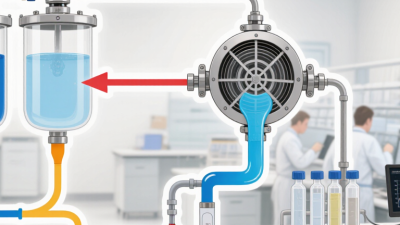
An inline buffer dilution system prepares a target buffer concentration as ingredients flow through a controlled mixing path. It typically meters concentrated stock and purified water, then blends them before the solution reaches a process tank or production line. Flow meters, pumps, sensors, and a control unit help maintain the recipe. In practical terms, operators can monitor flow readings while the system fills a stainless-steel vessel.
This approach can reduce manual weighing and large volumes of pre-made dilute buffer. It also supports repeatable preparation when recipes change between process steps. A 2023 MarketsandMarkets report estimated the global bioprocessing market at USD 27.0 billion, with growth projected to USD 38.4 billion by 2028. That expansion makes reliable buffer preparation increasingly relevant, though market growth alone does not prove a system will suit a specific plant.
Performance depends on more than the control screen. Check concentration accuracy across the intended flow range, mixing uniformity, cleaning strategy, and how the system handles recipe transitions. Ask suppliers for documented test conditions and calibration records. Small details matter: a trapped air pocket or an unverified flow sensor can shift the final concentration. Not magic. And not maintenance-free. When comparing suppliers in China, request material certificates, installation support, and clear acceptance criteria; those points are easier to assess than broad claims about precision.
An inline buffer dilution system combines concentrated buffer with water or another diluent as the process runs. Metering pumps or control valves set the flow rates, while flow sensors track each stream. The target ratio depends on the required buffer concentration and the strength of the stock solution. Small changes matter.
The streams enter a mixing section, often fitted with a static mixer that uses fixed elements to blend liquid without a moving impeller. An in-line conductivity sensor can check whether the mixture is near its expected concentration. Some processes also monitor pH, though pH alone may not confirm the correct dilution. If readings drift, the control system can adjust the component flow rates. Sensor response takes time.
That delay deserves attention. Poor sensor placement or short mixing distance can produce readings that do not represent the final blend. System performance also depends on pump accuracy, tubing compatibility, and the selected operating range. When comparing suppliers in China, ask for documented flow-rate limits, wetted-material specifications, calibration procedures, and test data using a similar buffer. A practical acceptance test should check concentration at several flow rates, not just one. The process may still need adjustment after installation.
A reliable inline buffer dilution system depends on the full measurement loop, not just the mixer. Core components include concentrate and water pumps, flow meters, a static mixer, control valves, and conductivity or pH sensors.
Grand View Research estimated the global bioprocessing market at USD 38.4 billion in 2023, reflecting growing demand for consistent, scalable process preparation. Market growth alone does not prove a system’s quality; verify its specifications against your recipe and operating conditions.
For a practical supplier comparison, request documented flow accuracy, turndown ratio, mixing uniformity, and pressure-drop data. As a purchasing target, consider flow accuracy within ±0.5% of reading and a turndown ratio of at least 10:1, then confirm performance at your actual flow rates.
Ask for calibration records and test results across the intended concentration range. Conductivity readings can reveal dilution drift, but temperature compensation and sensor placement matter. Small errors compound. A polished datasheet may still omit performance at low flow.
Tips: Request a water-run test using your expected minimum and maximum rates. Check tubing or pipe connections, drainability, and whether sensor readings stabilize after a recipe change. Keep the test protocol with the quotation; otherwise, supplier comparisons can become misleading.
When evaluating inline buffer dilution system suppliers in China, ask for process data, not just a polished brochure. Request the dilution accuracy range, flow-rate limits, and operating pressure for your intended recipe. Small details matter. A sample specification should show how accuracy was measured and under what conditions.
Check whether wetted materials suit your buffer chemistry and cleaning routine. Ask for drawings that identify tubing, valves, pumps, and connection sizes. Then compare these with your site requirements. Request factory acceptance test records, calibration procedures, and a sample batch report. Ask how the system handles low-flow operation, air bubbles, and changes in concentration. These details reveal more than a broad claim of precision.
After-sales support deserves equal scrutiny. Confirm response times, spare-part availability, commissioning options, and operator training. Ask to speak with a reference customer using a similar flow range or process. That is not enough. Review the proposed service terms carefully, since a useful response promise should be specific and documented. I would not judge a supplier by price alone; it is an easy mistake when specifications appear similar. A modest gap in documentation may be manageable, but it should trigger clear questions before purchase.
Chinese inline buffer dilution system suppliers serve biopharmaceutical, life-science, food, and specialty chemical operations. In bioprocessing, systems can blend concentrated stock solutions with purified water for chromatography, media preparation, and process development. Laboratories also use them to prepare repeatable buffers for analytical workflows. In food production, compatible equipment may support cleaning solutions or ingredient streams, where reliable concentration helps maintain batch consistency. Small details matter: tubing material, flow range, and cleaning requirements can differ sharply between applications.
For practical selection, describe the actual fluid, target dilution ratio, and required throughput before comparing equipment. A system handling a gentle laboratory buffer may not suit a viscous or temperature-sensitive process stream. Ask how flow and concentration are monitored, and whether readings can be checked against an independent conductivity or pH measurement. Supplier documentation should explain calibration, maintenance, and material compatibility. Specifications can look convincing on paper. Real operating conditions still need testing.
Tips: Request a trial using your own fluid, if feasible. Record inlet and outlet concentrations at several flow rates. Check whether the readings remain stable after startup and during longer runs. One overlooked point: operators may need clearer procedures than the equipment initially suggests.