skip to content

How to Choose a Pharmaceutical Lyophilizer in 2026?

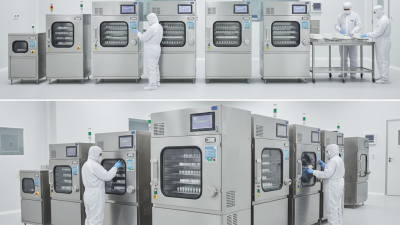
Choosing a Pharmaceutical Lyophilizer in 2026 requires more than comparing chamber size and purchase price. The right system must protect product quality, support validated processes, and fit the manufacturer’s long-term production strategy. A modern freeze dryer may handle sensitive vaccines, biologics, peptides, or injectable formulations, but performance depends on product behavior, not marketing claims.

Real-world selection begins with the formulation. Review critical temperatures, fill volume, vial dimensions, loading patterns, and expected batch size. A reliable Pharmaceutical Lyophilizer should provide precise shelf temperature control and stable vacuum performance. These details influence drying time, cake appearance, residual moisture, and reconstitution speed. Small differences matter. A few degrees can change the process window.

Experienced teams also examine cleaning design, sterilization capability, condenser capacity, automation, data integrity, and technical support. Ask for documented performance data, factory acceptance testing, and service response commitments. Regulatory expectations can change, so traceable records and validated software remain essential. Still, no machine guarantees a successful cycle. Process development, operator training, and careful scale-up are equally important.

The strongest decision combines engineering evidence with practical experience. Visit a reference site when possible. Watch how operators load shelves, review alarms, and recover from interruptions. A supplier may describe an elegant system, yet maintenance access could be frustrating in daily use. That possibility deserves honest attention. In 2026, the best choice will balance product protection, compliance, flexibility, energy use, and total ownership cost. Cost alone is a weak guide.
How to Choose a Pharmaceutical Lyophilizer in 2026?

Pharmaceutical Lyophilizer Fundamentals and Core Applications

Pharmaceutical lyophilization removes ice by sublimation under vacuum. It protects heat-sensitive proteins, vaccines, and diagnostic reagents. The process has three phases: freezing, primary drying, and secondary drying. Freezing controls ice-crystal structure. Primary drying removes most ice. Secondary drying reduces bound moisture. Small changes matter.

During equipment selection, match shelf area with batch volume and fill depth. Check condenser capacity, vacuum stability, shelf temperature uniformity, and automatic stoppering. Product temperature must remain below its critical temperature during primary drying.

Otherwise, collapse may appear as a shrunken cake or sticky surface. Clean-in-place and sterilize-in-place systems also reduce contamination risks. I would not trust a large chamber alone. Scale-up can change heat transfer, edge effects, and drying time.

The FDA Process Validation guidance defines three lifecycle stages: process design, qualification, and continued process verification. This framework supports documented cycle development and reliable technology transfer.

Grand View Research’s 2024 Lyophilization Equipment Market report forecasts an approximately 8.4% compound annual growth rate through 2030. That figure signals expanding demand, not automatic equipment suitability.

A 2026 specification should therefore include pilot data, shelf mapping, leak testing, and product-specific validation. Market forecasts are directional. Real products remain stubbornly different.

Define Product, Batch, and Regulatory Requirements

Choosing a pharmaceutical lyophilizer in 2026 starts with defining the product, batch, and regulatory requirements.

Equipment should follow the formulation, not the other way around. Measure the product’s collapse temperature, glass-transition temperature, fill volume, vial geometry, and sensitivity to oxygen or moisture. These values guide shelf temperature, chamber pressure, condenser capacity, and drying time.

Batch size needs careful interpretation.

A 10,000-vial batch may require more than shelf space. Loading patterns, edge effects, freezing uniformity, and future scale-up can change performance. The 2024 MarketsandMarkets report projected approximately 7% annual growth for the lyophilization equipment market through 2029. That growth reflects rising demand, but it does not justify buying the largest system. Oversizing can increase utility use and reduce development flexibility. It is an easy mistake.

Tips:

Create a written design basis before requesting quotations. Include minimum and maximum fill volumes, vial formats, target cycle time, annual batches, and planned growth. Ask suppliers to demonstrate heat-transfer uniformity and condenser performance under realistic loads. Use product-specific development data, not catalogue capacity alone. A practical engineering review should also assess cleanability, sterilization, data integrity, alarm handling, and electronic records against applicable GMP expectations, including FDA process-validation principles and EU GMP Annex 1. Independent qualification experience matters. Marketing claims are not validation evidence. Also, do not ignore operator access during loading. A technically excellent chamber can still create awkward, risky workflows. Recheck assumptions after pilot trials.

Compare Lyophilizer Designs, Capacity, and Performance

How to Choose a Pharmaceutical Lyophilizer in 2026?

Capacity should mean more than shelf area. Compare usable shelf space, vial loading, condenser ice capacity, and vapor flow. A larger chamber can still be the wrong choice. Grand View Research estimated the pharmaceutical lyophilization equipment market at about USD 3.3 billion in 2023, with strong growth expected through 2030. This growth increases equipment options, but not necessarily decision quality.

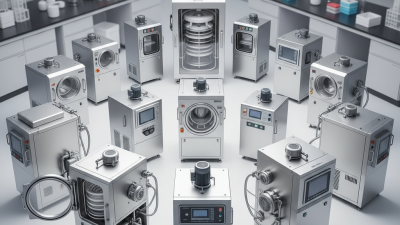
Design affects product protection. Shelf lyophilizers with controlled stoppering suit sterile vial production and repeatable cycle development. Consider automatic loading, isolation, cleaning access, and chamber pressure control. Rotary systems may fit smaller batches, while laboratory units support formulation screening. The scale-up path matters. A cycle that works on ten trays may fail when heat transfer changes across a full load. FDA guidance on process validation supports lifecycle evidence, not a single successful run.

Performance needs measurable proof. Request data for temperature uniformity, pressure stability, condenser recovery, leak rate, and endpoint detection. Review the worst shelf position, not only the average result. WHO Technical Report Series guidance emphasizes validated control of sterile processing conditions. Check whether the supplier’s tests reflect your vial size, fill volume, and stopper design. I would also challenge optimistic cycle times. Faster is not always better. Residual moisture, cake appearance, reconstitution time, and potency deserve equal attention. The uncomfortable question is simple: can your team maintain this machine reliably after installation?

Evaluate Automation, Validation, and Contamination Control

How to Choose a Pharmaceutical Lyophilizer in 2026?

Evaluate Automation, Validation, and Contamination Control

Evaluate Automation, Validation, and Contamination Control

In 2026, choosing a pharmaceutical lyophilizer requires more than comparing shelf capacity. Automation should reduce operator exposure and improve batch consistency. Look for recipe control, electronic signatures, audit trails, and secure access levels. The system should record shelf temperature, chamber pressure, condenser temperature, and vacuum trends continuously. Clear alarms matter. A confusing alarm can delay a critical decision during a long cycle. Fully automated operation sounds ideal, but poor interface design still creates avoidable errors.

Validation

Validation should begin with a detailed user requirement specification. It should connect critical quality attributes with measurable process parameters. Review factory and site acceptance testing records carefully. Installation, operational, and performance qualification should challenge realistic worst-case conditions. Ask how the supplier handles sensor calibration, software changes, data backup, and failed validation runs. A perfect protocol is useful, but real deviations often reveal more about process control. Some teams approve documents too quickly.

Contamination Control

Contamination control must cover loading, unloading, cleaning, and maintenance. Examine the chamber design for smooth surfaces, minimal dead legs, and accessible drain paths. Confirm cleaning verification methods, filter integrity testing, and pressure cascade controls. For sterile products, assess integration with an isolator or restricted access system. Environmental monitoring points should reflect actual airflow patterns, not convenient locations. Review operator intervention steps, especially during door opening and tray transfer. A small gasket defect can undermine an otherwise impressive design. Temperature mapping and airflow studies need practical interpretation, not only acceptable-looking reports.

Assess Suppliers, Operating Costs, and Long-Term Support

Choosing a pharmaceutical lyophilizer in 2026 requires more than comparing chamber size and purchase price. Fortune Business Insights estimated the lyophilization equipment market would grow at approximately 9.5% annually through 2030. That growth increases supplier choices, but not necessarily supplier quality. Ask for documented cycle-development experience, successful factory and site acceptance tests, and references from similar products. Request evidence, not confident promises.

Operating costs deserve a five-year model. Include electricity, refrigeration water, vacuum-pump service, filters, validation, calibration, and planned downtime. Energy estimates should reflect actual recipes, not empty-chamber tests. A spreadsheet can still lie. Compare batch capacity, shelf loading, condenser recovery time, and rejected-batch exposure. The U.S. Food and Drug Administration reported that 62% of drug shortages from 2013 to 2017 involved manufacturing or product-quality problems (FDA Drug Shortages Task Force, 2019). Reliable maintenance directly supports supply continuity.

Long-term support is often the hidden differentiator. Check spare-parts availability, software-update controls, technician response times, and training records. Confirm who owns cycle data and who supports requalification after modifications. WHO Technical Report Series No. 1019 emphasizes lifecycle validation and continued process verification. Therefore, suppliers should explain how they trend vacuum, shelf temperature, leak rate, and endpoint results over time. I would also test their escalation process before signing. A delayed answer during procurement may become an expensive silence after installation.

How to Choose a Pharmaceutical Lyophilizer in 2026?

Recommended evaluation weighting for supplier selection, operating economics, validation readiness, and long-term technical support.

Product and process fit should be assessed together with GMP documentation, lifecycle cost, service coverage, spare-parts availability, validation support, and data integrity. The weighting provides a practical starting framework; final scores should be based on documented specifications, validated cycle data, service-level agreements, and supplier quotations.