Top 10 Lyophilization Machines You Should Know About?
In the world of pharmaceutical and food industries, the Lyophilization Machine plays a crucial role. This specialized equipment is designed for freeze-drying products, enhancing their shelf-life and stability. With increasing demands in various sectors, understanding the best machines available becomes essential.
Lyophilization helps preserve sensitive materials. However, not all machines perform equally. Some may struggle with uniformity, while others might have longer process times. Selecting the right machine can be daunting. Consider factors like reliability, efficiency, and operating costs. It's vital to look for machines with a solid track record.
This article highlights the top ten Lyophilization Machines worth exploring. Each entry will reflect expertise and real-world performance. By focusing on practical details, our aim is to guide you in making informed choices. The insights shared here can help improve your understanding and implementation of lyophilization processes.
Overview of Lyophilization Technology and Its Applications
Lyophilization, also known as freeze-drying, is a vital technology in diverse industries like pharmaceuticals and food processing. It involves removing water from products while keeping their structure intact. This method can preserve sensitive materials, extending their shelf life significantly. For instance, lyophilized products can last up to 24 months or longer without refrigeration, a key advantage for remote locations.
The global lyophilization market is projected to reach $5.3 billion by 2026, growing at a CAGR of 9.2%. This increase reflects the rising demand for biologics and the necessity to maintain drug stability. Studies suggest that 30% of pharmaceutical products require lyophilization to ensure efficacy. However, challenges exist, such as the high initial investment and operational costs associated with lyophilization machines. Achieving optimal conditions requires precision, which can lead to variations in quality if not properly monitored.
Moreover, while the process is beneficial, it can also result in product loss during freeze-drying cycles. This is particularly true for heat-sensitive materials that may degrade. Continuous advancements are necessary to improve efficiency and reduce waste. While the technology holds promise, stakeholders must remain vigilant about potential inconsistencies and their impact on product reliability.
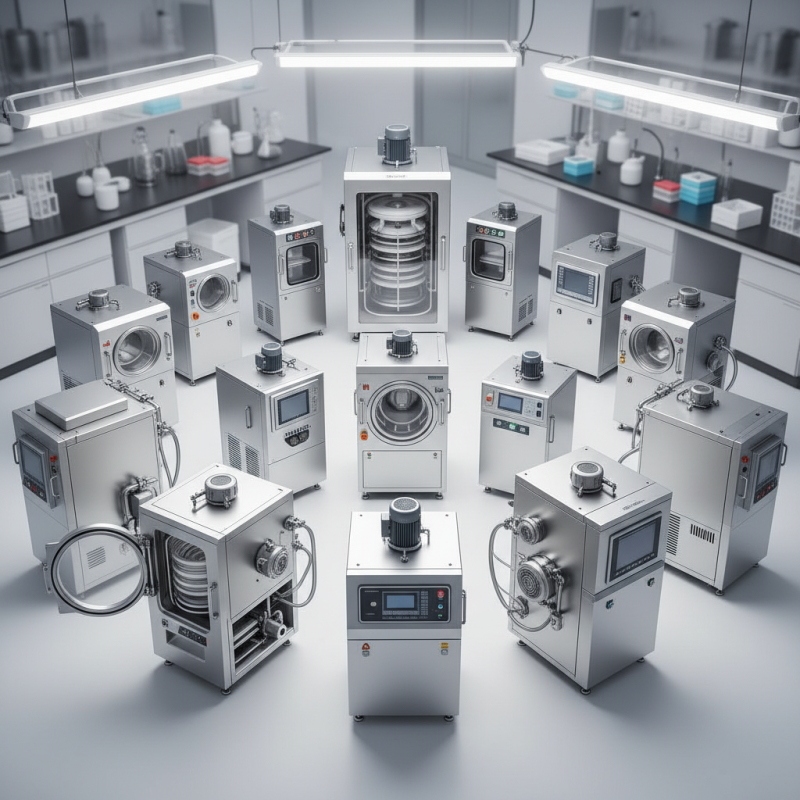
Top 10 Lyophilization Machines: Performance Comparison
Key Features to Consider When Choosing a Lyophilization Machine
When selecting a lyophilization machine, there are several key features to consider. One critical aspect is the capacity of the machine. It's essential to align the capacity with your production needs. A machine that is too small may limit production, while an oversized unit can lead to wasted resources. Analyze your requirements carefully before making a decision.
Another vital feature is temperature control. Precise temperature control is crucial for effective lyophilization. Machines with advanced temperature monitoring can ensure product stability. This aspect cannot be overlooked, as even slight deviations can affect drug potency or food quality. Look for machines that offer reliable sensors and programmable settings.
The ease of operation is also important. User-friendly interfaces can significantly reduce training time for your team. Complicated machines may lead to operational errors, impacting your output. Consider whether the machine offers features like intuitive controls or remote monitoring. While a high-tech machine sounds appealing, simplicity is often more effective in practice. Balancing advanced features with usability is key to improving overall efficiency.
Review of the Top 10 Lyophilization Machines for Various Needs
When selecting a lyophilization machine, it is crucial to consider your specific needs. Some machines excel in small-scale applications, perfect for laboratories. They often have advanced vacuum control, ensuring optimal moisture removal. Other machines are designed for industrial use, capable of handling larger batches. These might provide quicker processing times but require more floor space.
Features like temperature control and user interfaces are essential. A machine with intuitive controls can enhance productivity. However, not all machines are equally efficient. Some may struggle with heat-sensitive materials. This is where careful research pays off. Understanding your application helps you choose wisely.
While many machines offer promising specifications, real-world performance can vary. It’s essential to weigh customer feedback and expert reviews. Machines with a strong reputation may provide more reliable results. Sometimes, a less expensive option can outperform a pricier model. Balancing cost, features, and performance requires thoughtful consideration. Seeking expert advice can guide your decision-making.
Future Trends in Lyophilization Technology and Equipment Development
Lyophilization technology is evolving rapidly. The focus is shifting towards enhancing efficiency and sustainability. Researchers are exploring advanced techniques that optimize the freeze-drying process. This includes automation to minimize human error. Improved temperature control is also gaining attention. It ensures consistent results and maintains product integrity.
Future trends reveal a push for environmentally friendly practices. Companies are investing in energy-efficient machines. These machines not only save on costs but also reduce energy consumption significantly. There is an increasing demand for scalable solutions to meet diverse industry needs. This variety could enhance adaptability across pharmaceuticals and food sectors.
However, challenges remain. Many existing systems are complex and expensive. Smaller businesses may struggle to adopt these innovations. Continuous education and training are crucial. Stakeholders need to understand the technology to implement it effectively. Addressing these gaps will be key for the future of lyophilization technology.