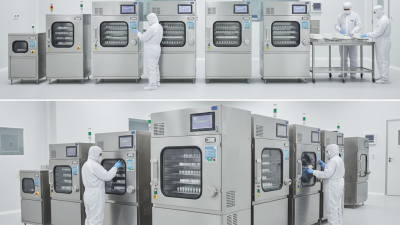
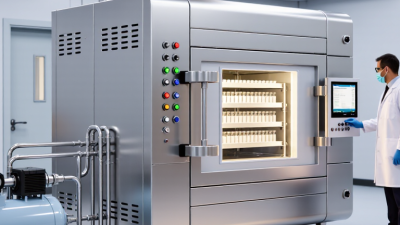
Choosing the best Lyophilization Machine manufacturer in China takes more than comparing prices or polished brochures. A reliable supplier should explain how its equipment handles your product, target batch size, and required drying cycle. Ask for details on shelf-temperature control, vacuum performance, condenser capacity, and data recording. These features affect real production decisions. Details matter.
Dr. Michael J. Pikal, a widely cited pharmaceutical lyophilization researcher, has emphasized through his work that cycle development must account for product behavior and process conditions. The practical lesson is clear: a capable machine cannot replace sound cycle design. Buyers should therefore assess both equipment engineering and the manufacturer’s technical support. Request documented test results, a clear factory acceptance plan, and examples of comparable installations. Verify claims directly. A short demonstration can reveal more than a long specification sheet.
This outline examines how to compare Chinese manufacturers, assess equipment quality, and evaluate service after installation. It also considers customization, validation support, spare parts, and communication during commissioning. A useful supplier answers specific questions without hiding behind broad performance promises. Even this checklist has a limitation: published case studies may not show everyday service quality. Speak with existing customers when possible, and confirm what support is included in writing. The best choice is not automatically the largest factory or the lowest quote. It is the partner whose evidence, engineering, and follow-through fit your process.
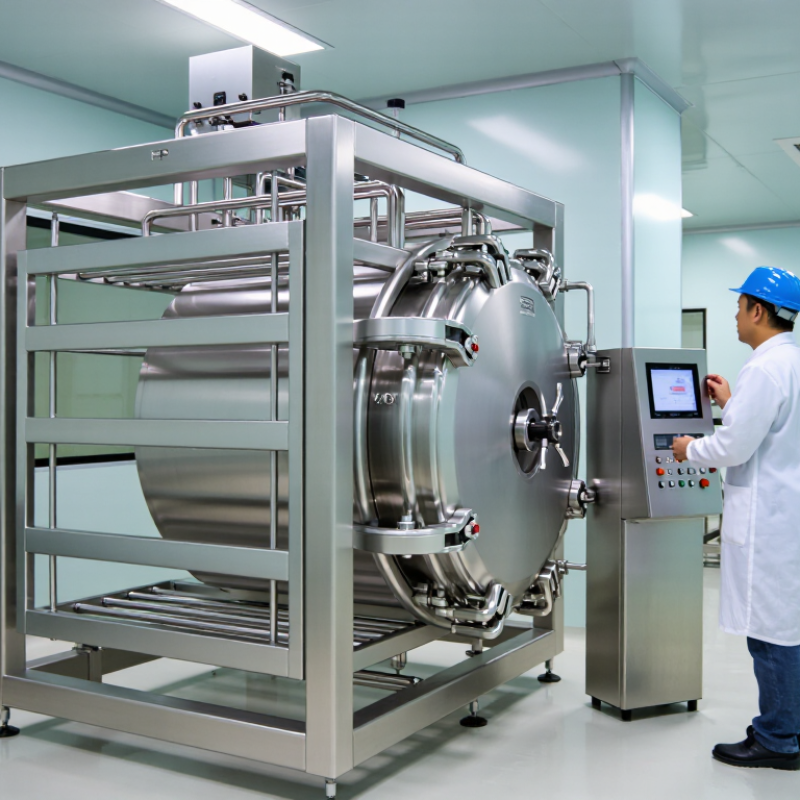
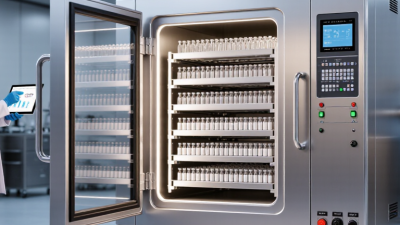
A lyophilization machine, or freeze dryer, removes water from frozen materials under vacuum. It uses three controlled stages: freezing, primary drying, and secondary drying. During primary drying, ice changes directly into vapor through sublimation. A cold condenser captures that vapor before it reaches the vacuum pump.
This equipment protects sensitive products, including injectable medicines, vaccines, proteins, and diagnostic materials. It can preserve structure and reduce moisture without high-temperature exposure. According to a 2024 MarketsandMarkets report, the lyophilization equipment market may grow from about USD 3.8 billion in 2023 to USD 5.3 billion by 2028. The estimated compound annual growth rate is approximately 6.6%. However, capacity alone does not prove machine quality. Shelf temperature uniformity, vacuum stability, condenser performance, and data recording matter more during real production. One overlooked issue is loading practice. Uneven spacing can create different drying times across one batch.
Tips: Check whether the machine supports recipe development, automatic leak testing, and calibrated sensors. Ask for temperature mapping records and documented factory acceptance tests. Review cleaning access, chamber materials, and maintenance support before purchasing. Small details matter.
Operators should also examine cycle repeatability with actual products. A laboratory cycle may not transfer perfectly to industrial shelves. That limitation deserves honest attention. The best selection balances batch size, energy use, validation needs, and long-term service reliability.
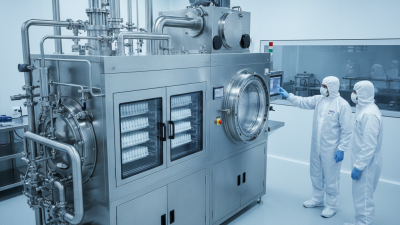
Lyophilization equipment removes ice from frozen materials under vacuum, helping preserve products that are sensitive to heat or moisture. The main types are laboratory freeze dryers, pilot-scale systems, and production units. A laboratory machine may process small vials on heated shelves; a production dryer handles larger batches with tightly monitored temperature and pressure. Scale matters. A recipe that works in a small chamber may not transfer cleanly to a larger one.
Applications vary by product. Pharmaceutical and biotechnology manufacturers use freeze dryers for injectable medicines, vaccines, and diagnostic materials. Food processors apply them to coffee, fruit, and other ingredients where low weight and quick rehydration are useful. Research laboratories also use compact systems to dry biological samples. Grand View Research’s Lyophilization Equipment Market report identifies pharmaceutical and biotechnology use as a leading application area, reflecting the sector’s need for stable, carefully controlled products.
When comparing equipment, buyers should examine condenser capacity, shelf-temperature uniformity, chamber size, and data-recording functions. These details affect cycle time and batch consistency. A larger machine is not automatically better. Poorly matched capacity can waste energy and reduce process efficiency. There is also a practical limitation: freeze-drying often takes many hours, and optimization requires testing. Real batches can behave differently than expected.
Typical total freeze-drying cycle durations vary by product formulation, fill volume, container format, and equipment scale. Laboratory and pilot freeze dryers are commonly used for process development, while production systems support larger batch sizes for pharmaceuticals, biologics, vaccines, food, and biotechnology products. The values shown are representative midpoints of commonly reported industry ranges and are not brand-specific performance claims.
Selecting a Chinese lyophilization machine manufacturer requires more than comparing prices. Grand View Research estimates that the global lyophilization equipment market will continue growing strongly through 2030. This expansion increases supplier choices, but it also raises quality risks. A capable manufacturer should provide documented design controls, GMP-ready materials, and complete factory acceptance testing. Stainless steel 316L product-contact surfaces, orbital weld records, and calibrated pressure sensors should be easy to verify.
Validation experience matters. A reliable supplier can explain how shelf temperature, chamber pressure, and condenser performance affect each drying stage. The condenser should reach its stated temperature under defined load conditions, not only during an empty test. ISPE guidance emphasizes lifecycle control, commissioning, qualification, and continued process verification. Manufacturers should therefore support IQ, OQ, and performance qualification with traceable records. Good documentation is not decoration.
Strong Chinese manufacturers offer pilot testing, recipe development, remote diagnostics, and local engineering support. They should also demonstrate data integrity controls, user access management, audit trails, and backup procedures. Some suppliers present impressive specifications but provide weak after-sales response. That gap deserves attention. Ask for references from comparable production environments, not only laboratory installations. Review spare-parts availability, software update policies, and operator training. A factory visit can reveal practical details, such as clean assembly areas, instrument labeling, and how technicians protect vacuum lines from contamination. No supplier is perfect; transparent limitations often indicate greater reliability.
Best Lyophilization Machine Manufacturer in China?
Choosing a lyophilization machine requires more than comparing prices or chamber size. Evaluate the complete drying process, including freezing speed, vacuum stability, condenser capacity, and shelf temperature uniformity. A reliable system should record critical parameters continuously and protect data from unauthorized changes. Ask for trial data using a product similar to yours. Laboratory results can look excellent, yet production performance may differ.
Quality appears in the details. Inspect welds, door seals, piping, sensors, and the cleanliness of product-contact surfaces. Stainless steel should have suitable surface treatment and clear material documentation. Request factory acceptance testing records, calibration certificates, and maintenance procedures. During a site visit, observe how technicians respond to a fault simulation. Their practical knowledge matters. The machine should not merely operate; it should be serviceable.
Compliance must be documented, not promised. Review risk assessments, electrical safety files, software controls, and qualification protocols. Confirm that installation, operational, and performance qualification support is available. Ask who signs each record and how deviations are handled. I would also check spare-part lead times and remote support response times. These issues are often ignored before purchase. That is a mistake. Still, no checklist is perfect. Product behavior, operator training, and local requirements can change the final result. Leave room for additional testing.
Choosing a lyophilization machine manufacturer in China starts with your product and process, not a catalog price. Compare usable shelf area, batch capacity, condenser performance, and temperature uniformity. Ask how the equipment handles your actual container size and load pattern. A tray that fits on paper may leave poor clearance in practice. Small details matter.
Request technical documents before comparing proposals. These should include process diagrams, materials of construction, control-system specifications, and calibration records. Ask how the manufacturer tests vacuum integrity and shelf temperature uniformity. If possible, review a factory acceptance test using agreed criteria. Keep the protocol specific. “Standard testing” can mean different things to different suppliers.
After-sales support deserves equal attention. Check response times, spare-parts availability, operator training, and the process for remote troubleshooting. Clarify installation responsibilities and what happens if site conditions differ from the plan. A low initial price may not include commissioning or travel. That can change the budget. No supplier will be perfect; documentation may be strong while service coverage is limited. Ask direct questions, verify the answers, and record any gaps before signing.
| Evaluation Dimension | What to Compare | Evidence to Request | Why It Matters |
|---|---|---|---|
| Application and capacity | Shelf area, batch size, container format, product type, and expected production volume. | A written requirement review, proposed chamber configuration, and capacity calculations based on your actual load. | Nominal shelf area alone does not establish that a machine can process a specific product or batch efficiently. |
| Product and process fit | Required freezing method, shelf-temperature range, condenser performance, vacuum range, and process-control functions. | Technical specifications, process-development support details, and test results relevant to the intended product and load. | Cycle performance depends on the product, formulation, loading pattern, and process conditions—not just machine specifications. |
| Automation and records | Recipe management, alarms, user access controls, data export, audit-trail functions, and reporting options. | Control-system demonstration, sample batch records, software documentation, and a clear list of included functions. | Required documentation and electronic-record controls depend on the application and the buyer’s regulatory obligations. |
| Materials and cleanability | Product-contact materials, chamber finish, gasket materials, drain design, and access for inspection and cleaning. | Material specifications, surface-finish details where applicable, drawings, and cleaning recommendations. | Material suitability and cleaning requirements should be assessed against the product, process, and site procedures. |
| Qualification and testing | Factory acceptance testing, installation checks, operational testing, and available qualification documentation. | A draft test protocol, acceptance criteria, document list, and a clear division of supplier and customer responsibilities. | Agreeing on test scope and acceptance criteria before purchase helps prevent gaps during installation and handover. |
| Quality system and compliance scope | Quality-management practices, traceability, document control, and standards or regulatory requirements relevant to the destination market. | Current certificates with scope and validity dates, sample controlled documents, and a written compliance statement for the proposed configuration. | A certificate or general compliance claim does not by itself confirm that a particular machine meets every requirement for a specific use. |
| Service and spare parts | Remote support hours, response arrangements, technician availability, training, warranty coverage, and critical-spares lead times. | Written service terms, escalation contacts, spare-parts list, warranty exclusions, and service references where available. | Support arrangements can affect equipment uptime, especially when the installation site is far from the supplier. |
| Installation and utilities | Footprint, access route, electrical supply, cooling requirements, compressed air, drainage, and environmental conditions. | General arrangement drawings, utility consumption data, installation instructions, and site-preparation requirements. | Confirming site requirements early reduces the risk of installation delays and unplanned facility work. |
| Total cost and delivery | Equipment configuration, options, packaging, shipping terms, installation, training, taxes, and ongoing maintenance. | An itemized quotation, delivery schedule, payment milestones, warranty terms, and a list of exclusions. | Comparing the complete scope gives a more useful cost comparison than comparing equipment prices alone. |
| Supplier verification | Manufacturing capability, engineering resources, quality controls, export experience, and communication during technical review. | A live factory or equipment inspection where practical, verifiable business documents, technical responses, and customer references with permission. | Independent verification helps confirm that the supplier can deliver and support the configuration being quoted. |
Selection tip: define your product, batch size, destination-market requirements, and site utilities before requesting quotations. Compare suppliers against the same written specification and verify claims relevant to your application.