Top 10 High Performance Liquid Chromatography Systems?
High Performance Liquid Chromatography remains a core technique in pharmaceutical, food, environmental, and academic laboratories. It separates complex mixtures with remarkable precision. A typical system combines pumps, an injector, a column oven, a detector, and data software. Each component can influence results.
Market research confirms its continuing importance. Grand View Research estimated the global HPLC market at approximately USD 4.8 billion in 2023, with steady growth expected through 2030. MarketsandMarkets also forecasts expansion, driven by pharmaceutical quality testing, biopharmaceutical development, and stricter analytical requirements. These figures suggest strong demand, but market growth alone does not identify the best instrument.
This guide examines ten high-performance systems from established manufacturers. The comparison considers flow-rate stability, pressure capability, detector options, automation, software usability, service support, and total operating cost. These details matter at the bench. A stable pump can protect a long gradient run, while responsive software can reduce manual integration errors.
Performance is application-dependent. A system optimized for routine quality control may not suit proteomics or high-throughput screening. No ranking is perfect. Laboratory workflows, budgets, sample volumes, and regulatory expectations can change the result. That limitation deserves attention.
The selected platforms reflect practical laboratory experience, published specifications, vendor documentation, and independent industry analysis. Regulatory expectations from organizations such as the U.S. Food and Drug Administration and European Pharmacopoeia also shape the evaluation. Readers should verify current specifications before purchasing. Product configurations change. Service quality can vary by region, too. This overview aims to support informed comparison, not replace method validation or professional procurement review.
What Are High-Performance Liquid Chromatography Systems?
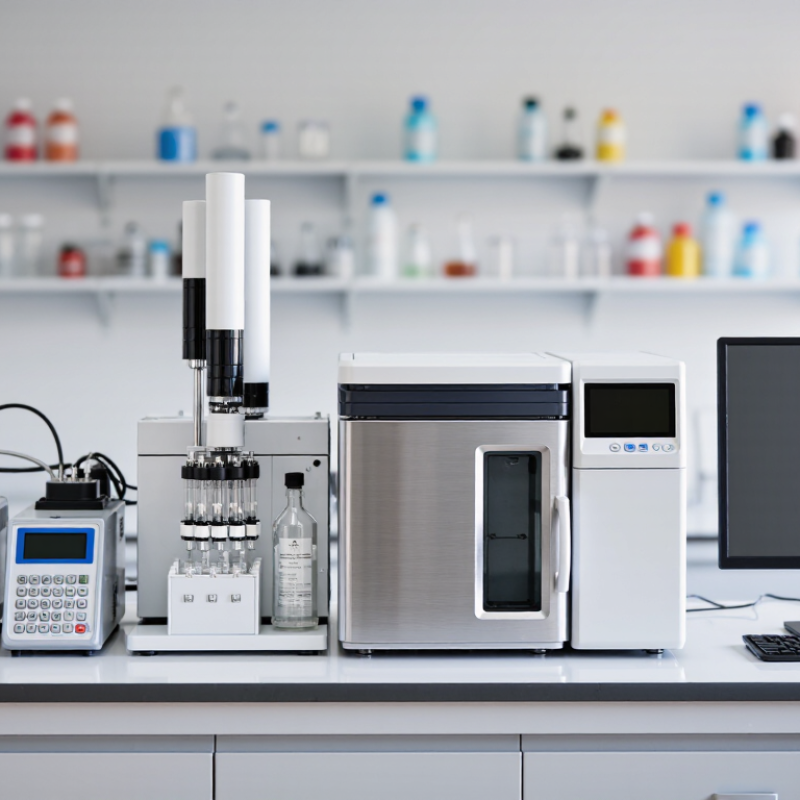
High-performance liquid chromatography systems separate dissolved compounds with a pressurized liquid mobile phase. A typical system includes solvent reservoirs, a pump, an injector, a column, a detector, and data software. Each part affects the final chromatogram. The pump controls flow and pressure, while the column provides the chemical separation. The detector then records compounds as peaks.
Modern systems may support gradient elution, temperature control, automated sampling, and multiple detection methods. These features help analysts examine medicines, food components, environmental samples, and biological materials. In practice, performance depends on more than instrument specifications. Clean solvents, suitable columns, stable temperature, and careful calibration often determine whether results are reliable. A fast system is not always the best system.
Tips:
Match the detector to the compounds you need to measure. Check pressure trends before troubleshooting the column. Use filtered solvents and inspect seals regularly. Keep detailed records of flow rates, temperatures, and maintenance. Small changes can shift retention times.
The top ten systems in this category may differ in pressure range, sample capacity, software, and upgrade options. However, no platform is perfect. A highly automated instrument can still produce weak data if the method is poorly developed. I have found that simple, repeatable workflows are often more valuable than impressive specifications. Method validation, reference standards, and transparent records remain essential for defensible results.
How to Evaluate the Top 10 HPLC Systems
Evaluating the top 10 HPLC systems requires more than comparing pressure ratings. A 2024 Grand View Research report estimated the global HPLC market at about USD 5 billion. That growth increases choice, but also creates noisy comparisons. I would begin with method fit, not popularity. Check flow stability, gradient accuracy, detector noise, injection precision, and carryover. A system that handles a 2.1 mm column efficiently may perform poorly with high-throughput samples. Small differences become obvious after several hundred injections.
Use documented evidence from real laboratories. Review system-suitability results under USP <621>, including retention-time precision and peak-area repeatability. Ask for raw chromatograms, not only marketing averages. Software deserves equal attention. FDA data-integrity guidance emphasizes complete, consistent, and attributable records. Audit trails, user permissions, electronic signatures, and backup recovery should be tested during evaluation. A polished interface is not proof of reliable data handling.
Cost analysis should include solvents, seals, lamps, filters, service visits, training, and downtime. ISO/IEC 17025:2017 also supports evaluating competence, traceability, and equipment control. In practice, I would run the same reference method across all ten systems. Record equilibration time and pressure fluctuations. Ask engineers to explain failure recovery. Their answers can reveal more than a brochure. A perfect score is unrealistic. I would leave room for uncertainty, because published performance often reflects ideal conditions. One overlooked detail remains important: the best system is not always the fastest, but the one analysts can operate consistently.
Top 10 High-Performance Liquid Chromatography Systems: How to Evaluate Them
This brand-neutral evaluation framework assigns a suggested importance weight to ten practical HPLC selection criteria. A higher percentage indicates greater influence on overall system suitability for routine analytical work.
The weighting emphasizes analytical performance, pressure capability, detector sensitivity, and reproducibility while also considering usability, data integrity, maintenance, and method compatibility. Actual rankings should be confirmed with application-specific testing.
Top 10 HPLC Systems by Performance and Design
Top 10 High Performance Liquid Chromatography Systems?
The strongest HPLC systems balance separation speed, pressure control, and thoughtful design. A practical top-ten comparison should examine data quality, solvent handling, maintenance access, and user safety. Performance is not only about maximum pressure. Stable flow matters more during long analytical sequences.
The leading systems usually offer low-dispersion tubing, responsive autosamplers, and precise temperature control. Clear software reduces training time and helps prevent integration errors. Modular layouts also make upgrades less disruptive. Some platforms perform impressively in routine testing but feel less flexible during unusual methods. That limitation deserves honest attention. Real laboratories face clogged filters, drifting baselines, and hurried operators. A reliable design should make these problems visible, not hide them.
Tips: Compare carryover, injection precision, gradient accuracy, and detector sensitivity using the same test mixture. Check how quickly users can replace seals, lamps, filters, and tubing. Ask for service records and independent performance data. A beautiful interface cannot compensate for unstable retention times. Leave room for skepticism. Your sample workload, not a sales specification, should decide the final ranking.
How to Choose the Right HPLC System for Your Laboratory
Top 10 High Performance Liquid Chromatography Systems?
Choosing the right HPLC system begins with your laboratory’s actual workload. Do you run pharmaceuticals, food contaminants, proteins, or environmental samples? Each application needs different pressure, detector, and solvent-control capabilities. The 2024 MarketsandMarkets report estimates the HPLC market will reach about USD 6.1 billion by 2028. That growth reflects wider demand for reliable, sensitive analysis. It does not mean every laboratory needs the most advanced system.
Check pressure range, injection precision, detector linearity, and software compatibility. Also examine maintenance access. A system that performs well but takes hours to service can quietly reduce productivity. Recent laboratory workflow studies from the Association of Public Health Laboratories emphasize uptime, standardized methods, and staff training. These factors often matter more than impressive specifications. My own practical preference is simple: test representative samples before purchasing. Vendor demonstrations can look perfect. Real matrices are less forgiving.
Tips: Build a scoring sheet before comparing systems. Give extra weight to your most frequent method. Confirm whether the system supports your current columns and solvents. Ask for installation records, preventive-maintenance requirements, and local technical support. Review data-integrity controls against applicable laboratory standards, including USP General Chapter 621 and relevant GMP expectations. Do not ignore noise, carryover, or baseline drift. They become expensive problems later. A smaller laboratory may also benefit from modular equipment, though integration can be imperfect. Leave room for future detectors, higher sample volumes, and changing regulatory expectations.