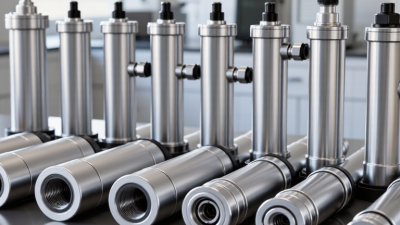
Choosing a Biopharmaceutical Manufacturing Equipment Supplier is a technical decision with lasting consequences. The right partner influences product quality, validation effort, operator safety, and production continuity. A low purchase price can become expensive when installation delays, software gaps, or spare-part shortages appear.
Joseph M. Juran, a respected manufacturing-quality expert, said, “Quality does not happen by accident; it has to be planned.” His principle fits biopharmaceutical equipment selection closely. A reliable supplier should explain how each system supports critical process parameters, cleaning requirements, data integrity, and GMP expectations. Ask for documented factory acceptance testing, site acceptance testing, calibration records, and change-control procedures. Request practical evidence, not attractive promises.
Walk through the details.
Imagine a stainless-steel vessel arriving with incomplete surface-finish records. Imagine a control panel that cannot export usable batch data. These small issues can slow qualification and frustrate operators. References from similar facilities matter, especially when they include comparable batch sizes, automation platforms, and containment needs. Service capability matters too. A supplier should provide trained engineers, clear response times, spare-parts planning, and realistic maintenance instructions.
Still, no selection process is perfect. Technical teams may overvalue specifications and undervalue communication. Procurement teams may focus too heavily on price. I have seen how an impressive demonstration can hide weak after-sales support. That possibility deserves honest attention. Compare lifecycle cost, not only the quotation. Evaluate the supplier’s experience, documentation discipline, cybersecurity approach, and willingness to discuss limitations. Trust is built when a supplier admits what its equipment cannot do.

Defining your requirements is the practical starting point for choosing a biopharmaceutical equipment supplier. A vague request for “a suitable system” creates expensive gaps later. Describe the product, process stage, batch size, operating volume, and expected production frequency. Record critical ranges for temperature, pressure, pH, dissolved oxygen, mixing speed, and hold time. Small details matter. A 500-liter vessel may need different controls when batches change weekly.
Your facility must shape the specification, not the other way around. Measure door widths, ceiling clearance, utility capacity, drainage, cleanroom classification, and available floor loading. Confirm whether the system requires clean-in-place or steam-in-place functions. Define contact materials, surface finishes, sensors, automation levels, and electronic record requirements. Ask how calibration, maintenance, spare parts, and operator training will be handled. These items affect uptime.
A strong requirement document separates essential functions from convenient features. Use measurable acceptance criteria, such as mixing uniformity, temperature recovery, alarm response, and data traceability. Request validation documents, testing plans, change-control procedures, and service response commitments. Suppliers should explain assumptions, limitations, and integration risks clearly. Do not accept impressive specifications without evidence from comparable operating conditions. An attractive proposal can still miss your cleaning cycle. Review the draft with operators, quality staff, engineers, and maintenance technicians. They notice different problems. Leave room for revision. Your first requirement list will probably be incomplete, and that is normal.
A reliable supplier should demonstrate quality through records, not polished promises. Request recent audit reports, inspection data, and examples of corrective actions. Check whether technicians follow controlled procedures during welding, assembly, testing, and packaging. Ask how they manage calibration, material traceability, and change control. Small details matter, such as signed batch records and clearly labeled stainless-steel components. A supplier should also explain its quality agreement process. This document defines responsibilities for deviations, complaints, and technical changes.
Compliance must match your process and market. Review the supplier’s certifications, including relevant ISO systems and applicable bioprocessing standards. Confirm certificate scope, issuing body, expiration date, and covered manufacturing site. Do not accept a certificate copied from an old proposal. Request validation packages, factory acceptance testing records, and installation support details. Ask how electronic data is protected and retained. An impressive certificate can still hide weak daily practices. That gap deserves attention.
Tips: Visit the facility if possible. Watch one real production step. Speak with quality staff, not only sales representatives. Compare promised lead times with documented delivery history. Check references from projects using similar pressure, temperature, and cleaning requirements. A supplier may have excellent equipment but limited after-sales support. No audit is perfect. Record unanswered questions and review them with your quality team before approval.
Choosing a biopharmaceutical equipment supplier requires more than comparing prices. Equipment design should match your process, facility layout, cleaning method, and production scale. Review the product-contact materials, weld quality, drainability, and access for maintenance. Small details matter. A poorly positioned valve can complicate cleaning and operator safety.
Technology should support reliable operation, not simply impress during a demonstration. Examine sensor accuracy, automation architecture, data records, alarm handling, and system integration. Ask for evidence from factory and site acceptance testing. Request clear validation documents, calibration procedures, and change-control records. A polished interface can still hide weak engineering. That deserves careful questioning.
Customization is valuable when it solves a defined process problem. Useful options may include modified vessel geometry, additional sampling ports, tailored control logic, or different transfer connections. However, excessive customization can increase lead time, spare-part requirements, and validation effort. Use a detailed user requirement specification before discussing modifications. Compare standard and customized designs line by line. This exposes costs that initial quotations often miss. Suppliers should explain technical limits honestly and provide realistic delivery schedules. Their response to a design change can reveal more than their sales presentation. No equipment choice is perfect. The goal is a documented, maintainable system that performs consistently under real operating conditions.
Validation should be examined before price. Ask whether the supplier provides clear IQ, OQ, and PQ documentation. Each record should identify acceptance criteria, instruments, signatures, and deviations. Request sample protocols and review their traceability carefully. A factory acceptance test can reveal design problems before shipment. However, paperwork alone does not prove reliable performance. Observe how engineers handle an unexpected result.
Support must remain available after installation. Confirm response times, escalation routes, and remote troubleshooting procedures. Ask who answers urgent technical calls. Maintenance planning should include inspection intervals, calibration requirements, spare-part availability, and service records. A useful supplier explains failure risks in plain language, not vague promises. I have seen schedules fail when replacement parts were treated as an afterthought. That weakness deserves attention.
Tips: Ask for a training plan with practical exercises, not only slides. Operators should practice startup, cleaning, alarms, and safe shutdown. Request training records and refresher options for new staff. Also check whether procedures match your facility, utilities, and documentation system. A strong supplier welcomes difficult questions and records open actions. Still, do not assume every recommendation fits your process. Review it with qualified validation, quality, and maintenance personnel.
Choosing a biopharmaceutical equipment supplier requires more than comparing quotation prices. A lower bid can hide installation delays, validation work, spare parts, and operator training. Build a total-cost worksheet covering purchase, freight, utilities, calibration, maintenance, software updates, and disposal. Ask for realistic five-year estimates, not optimistic figures. Even a careful worksheet can be wrong. Recheck assumptions with engineering, quality, and production teams.
Delivery capability should be tested with evidence. Request a schedule covering design approval, factory testing, shipment, site acceptance, and qualification milestones. Check whether qualified technicians are available near your facility. A packed crate proves little. The supplier should explain how it protects temperature-sensitive components and controls transit damage. Confirm that drawings, certificates, manuals, and change records arrive before installation. One missing document can stop a trained team.
Reliability depends on communication after the contract is signed. Review response times, escalation paths, spare-part locations, cybersecurity controls, and service coverage. Speak with reference users operating similar systems, not only recent purchasers. Ask what failed, how quickly it was corrected, and whether the root cause was shared honestly. No supplier is perfect. That matters. A technically strong supplier may still struggle with workload, unclear ownership, or slow decisions. Record unanswered questions and unresolved risks before approval.