What Is the Top Side Tipper Truck to Buy?
Choosing the right Side Tipper Truck is rarely about the largest body or the lowest advertised price. It is about matching equipment to real working conditions.
Gary McDonald, an experienced side-dump equipment specialist, once said, “A productive truck must fit the material, the road, and the operator.” That simple observation deserves attention. A truck carrying dry aggregate on a quarry road faces different demands from one moving wet soil across a construction site. Body volume, tipping stability, hydraulic response, axle capacity, tire design, and frame strength all influence daily performance. Small details matter. A weak tailgate seal can leave material scattered along the route. Poor visibility can make positioning beside a loading area stressful and slow.
The best Side Tipper Truck to buy depends on your operating pattern, not a universal ranking. Consider payload consistency, unloading space, maintenance access, fuel use, and local service support. Ask how quickly replacement cylinders, hoses, and wear parts can arrive. That answer may matter more than a polished brochure. A well-built unit can still disappoint when operators receive little training or the chassis is poorly matched to the load.
There is no perfect choice.
Buyers should inspect working trucks, review service records, and speak with drivers before deciding. My own caution is simple: published capacity figures can look impressive, but actual performance changes with moisture, road slope, loading habits, and weather. A careful comparison may feel slower today. It can prevent expensive downtime tomorrow. The strongest purchase is not always the newest model. It is the one that performs reliably, safely, and predictably in your specific operation.
What Is a Side Tipper Truck and How Does It Work?
What Is a Side Tipper Truck and How Does It Work?
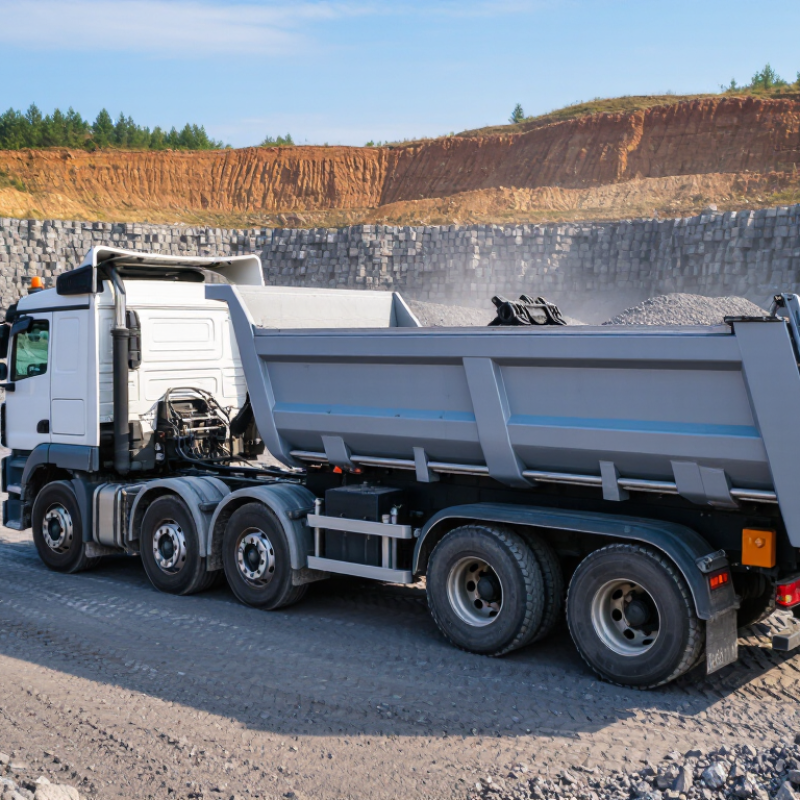
A side tipper truck carries bulk materials in a reinforced tipping body. Hydraulic cylinders lift one side of the body. The load then slides sideways through a wide opening. This design unloads gravel, soil, grain, or asphalt without requiring a high rear lift. It can work beside low bridges, power lines, and narrow stockpiles. Sometimes, that small clearance advantage prevents a costly delay.
The operating principle looks simple, but stability matters. The truck should stand on firm, reasonably level ground before tipping. A sloped surface can shift the center of gravity and cause a rollover. That risk is often underestimated. Before buying, check the hydraulic pressure, cylinder capacity, body floor thickness, chassis rating, and tipping angle. Ask for real service records, not only a glossy specification sheet.
Demand for bulk hauling remains substantial. The USGS Mineral Commodity Summaries 2024 reports about 1.5 billion metric tons of crushed stone produced in the United States during 2023. It also reports roughly 960 million metric tons of construction sand and gravel. These volumes explain why reliable discharge speed matters. The best side tipper truck is not automatically the largest one. Match payload to local road limits, loading equipment, route conditions, and maintenance support. A larger body may carry more, but overloaded axles increase tire wear and braking stress. That trade-off deserves careful calculation.
Which Features Define a High-Quality Side Tipper Truck?
A high-quality side tipper truck starts with a stable tipping system. The body should lift smoothly, even on uneven ground. Reinforced steel panels matter when operators move rock, sand, or demolition material. However, thicker steel is not always better. It can increase payload loss and fuel use. That trade-off deserves careful calculation.
Hydraulic performance is another defining feature. Look for a protected cylinder, reliable hoses, and controls that allow precise body movement. A low center of gravity improves stability during unloading. Wide tyres, strong suspension, and effective braking also support safer daily work. The European Commission’s 2024 road freight data shows that heavy vehicles remain central to freight movement across Europe. Reliability is therefore an operating requirement, not a luxury.
Running costs expose weak design quickly. The American Transportation Research Institute reported an average U.S. trucking cost of $2.260 per mile in its 2024 operational cost analysis, based on 2023 data. Fuel represented $0.649 per mile. A lighter body, efficient engine, and reduced hydraulic idle time can protect margins. Easy access to filters and grease points also shortens workshop delays. Still, no checklist replaces a real inspection. Check welds, hinge pins, hydraulic leaks, tyre wear, and frame alignment before purchase. A polished specification sheet can hide ordinary weaknesses.
What Factors Should You Consider Before Buying One?
Choosing the top side tipper truck starts with your work, not a glossy specification sheet. A unit hauling crushed stone on steep quarry roads needs different strengths from one serving urban construction sites. Check rated payload, body volume, axle capacity, and ground clearance together. A large body is useless if the chassis reaches its limit first. Ask for verified test records, service intervals, and hydraulic performance data.
During an inspection, watch the tipping cycle with a realistic load under controlled, safe conditions. Listen for pump strain, uneven lifting, and delayed body movement. Check hinge pins, welds, cylinder seals, locking mechanisms, and the floor beneath the wear surface. Small defects become expensive when dust enters a hydraulic system. I would also measure loading height, turning space, and visibility from the driver’s seat. These details affect every shift.
Ownership cost deserves equal attention. Compare fuel use, tire wear, maintenance access, spare-part availability, warranty terms, and technician response time. A cheaper purchase can become costly during seasonal demand. Talk with operators who use similar roads and materials. Their complaints may reveal cab vibration or poor discharge control. I once underestimated cleaning time; that mistake would influence my next choice. Leave room for uncertainty, because supplier estimates are not operating results. Confirm that the truck meets local road and workplace requirements before signing.
Which Side Tipper Truck Best Fits Your Intended Application?
The best side tipper truck depends on the worksite, not the largest advertised payload. FHWA’s Freight Analysis Framework projects U.S. freight movement to increase from about 19.3 billion tons in 2017 to 25.5 billion tons by 2050. That growth makes loading speed, route access, and operating cost increasingly important. A quarry fleet may need a reinforced body, high ground clearance, and reliable hydraulic performance. An agricultural operator may value low tare weight, sealed joints, and gentle unloading for grain or fertilizer. One design cannot excel everywhere.
Consider the material first. USGS reported approximately 1.5 billion metric tons of crushed stone production in the United States during 2023. Abrasive aggregate demands thicker floor plates and replaceable wear sections. Wet clay needs body geometry that reduces sticking. Loose grain requires controlled discharge and accurate payload monitoring. Small details matter.
Check stability carefully. A side discharge can unload beside a narrow road, but uneven ground increases rollover risk. Choose a truck with suitable axle capacity, stable suspension, and clear hydraulic controls. Review real cycle times, not brochure claims. Ask operators about visibility, cleaning, and maintenance access. The cheapest purchase may become expensive through downtime. That lesson is easy to miss. EPA fuel-economy data and fleet records should also guide engine and transmission choices. A careful trial with your actual material remains more reliable than a universal ranking.
