China Best Chamfering Cutter Manufacturers and Suppliers
Choosing among China’s best Chamfering Cutter manufacturers and suppliers requires more than comparing prices. Cutting performance depends on geometry, carbide grade, coating, flute design, and machine compatibility. A reliable Chamfering Cutter should create a clean edge without excessive burrs, vibration, or premature wear.
In practical workshops, small details often reveal manufacturing quality. Operators inspect the cutting edge under magnification, check runout with precision gauges, and test the tool on materials such as aluminum, stainless steel, or hardened steel. Experienced Chinese manufacturers usually offer standard and customized options, including 45-degree chamfering tools, countersinks, and solid carbide designs. They may also provide coating choices, dimensional reports, sample testing, and batch traceability.
Ask for evidence.
A dependable supplier should explain tolerances, recommended cutting speeds, tool balancing, and quality-control procedures clearly. Certifications can support credibility, but they do not replace actual cutting tests or responsive technical service. Buyers should review production experience, export records, inspection methods, and after-sales support before placing large orders.
Not every low-cost cutter is economical. A tool that dulls quickly can increase scrap, machine downtime, and labor expenses. Likewise, an attractive catalog cannot confirm stable performance across every application. This guide examines leading Chinese manufacturers and suppliers through practical criteria, including product consistency, engineering capability, customization, delivery reliability, and customer feedback. Some information may still require direct verification, because supplier conditions can change. That limitation deserves attention. The strongest choice is not always the largest factory, but the partner that consistently matches tool design with real machining needs.
What Is a Chamfering Cutter?
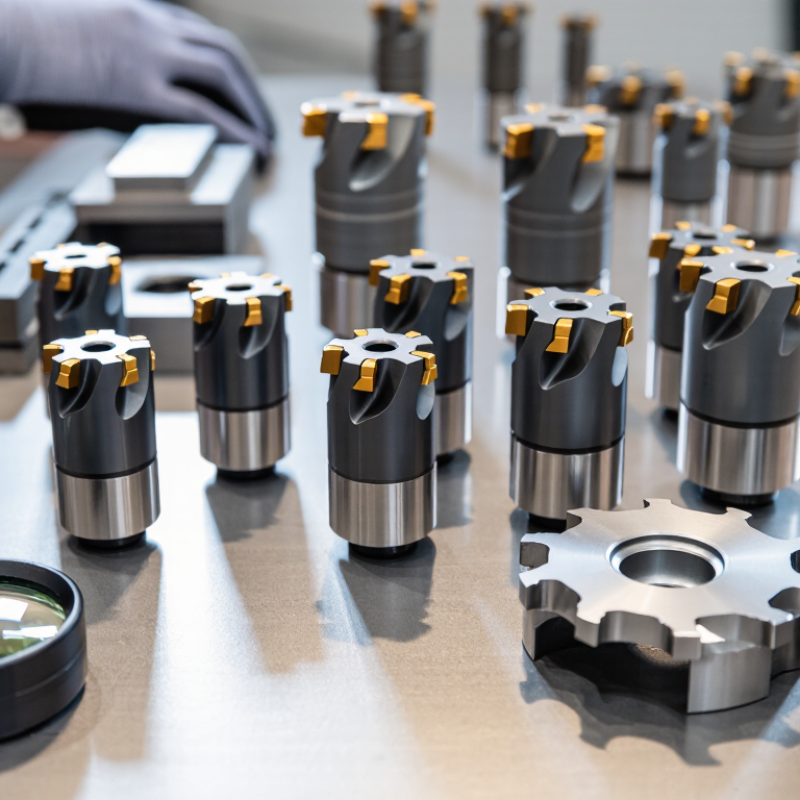
A chamfering cutter is a machining tool that removes a sharp corner from a workpiece. It creates a sloped edge, called a chamfer, around a hole or outside profile. This edge improves safety, assembly, and surface appearance. It can also help screws, pins, and mating parts enter more smoothly. In practical workshop use, the tool often leaves a narrow, clean strip along the metal edge.
Chamfering cutters are available with different angles, diameters, and cutting geometries. Common angles include 45 degrees, but the correct choice depends on the drawing and assembly requirements. A cutter for aluminum may need a different flute design from one used on hardened steel. Coating, cutting speed, feed rate, and tool rigidity also affect the result. Too much pressure can create burrs instead of removing them.
Experienced operators check the workpiece material before selecting a cutter. They also inspect runout, edge sharpness, and clamping stability. A reliable manufacturer or supplier should provide dimensional tolerances, material data, and recommended cutting parameters. These details are more useful than attractive product photos. Inconsistent chamfer width may indicate vibration, incorrect feed, or a worn tool. I have found that even a suitable cutter can perform poorly when the setup is rushed. A small test cut is often worthwhile. Measure it carefully.
Main Types and Materials of Chamfering Cutters
Choosing the right chamfering cutter begins with understanding its working purpose. Single-angle cutters create a consistent edge on milled parts. Adjustable chamfering cutters handle several angles, but they require careful setup. Countersink cutters prepare holes for flat-head screws. Deburring cutters remove sharp edges from machined components.
Material selection affects tool life, finish, and cutting stability. High-speed steel cutters are economical and tolerate interrupted cuts. Cobalt-alloy steel offers better heat resistance during repeated production. Solid carbide cutters maintain hardness at high cutting speeds. They suit hardened materials, precise edges, and automated machining. Polycrystalline diamond tools can perform well on abrasive non-ferrous materials, including composites and aluminum alloys.
Not every carbide cutter performs equally. Geometry, coating quality, and edge preparation matter greatly. A practical supplier should provide accurate dimensions, material data, and application guidance. I have seen operators choose a harder tool, then ignore vibration and chip control. The result was premature wear. Sometimes, a slightly tougher cutter works better than the hardest option. Check the included angle, shank tolerance, flute design, and recommended parameters before purchasing. Small differences can change the surface finish noticeably. Reliable manufacturers also maintain consistent batches, inspect cutting edges, and explain suitable workpiece materials. There is no perfect cutter for every job.
Key Factors for Evaluating Cutter Manufacturers
China Best Chamfering Cutter Manufacturers and Suppliers
Choosing a chamfering cutter manufacturer requires more than comparing online prices. Start with technical capability. Ask about carbide grades, coating options, cutting angles, shank tolerances, and surface finish control. A dependable supplier should provide clear drawings, material certificates, and inspection records. These documents reveal whether quality is controlled or simply promised.
Factory experience matters on the shop floor. Request sample cutters for aluminum, steel, or hardened materials. Check edge sharpness under magnification. Observe burr formation after repeated cuts. Ask how the supplier manages tool wear and batch consistency. A capable manufacturer should explain its grinding equipment, inspection methods, and correction process. Communication also matters. Technical replies should be specific, not copied from a catalog.
Tips: Compare samples under identical cutting conditions. Confirm lead times in writing. Review packaging before shipment. A low quotation can look attractive, but I have learned that unstable tolerances create higher costs later. Some suppliers present impressive equipment, yet their inspection records remain vague. That should prompt further questions. It is reasonable to request a small trial order before approving larger production. Also check after-sales support, replacement procedures, and response speed. The best evaluation is practical: measurable dimensions, repeatable performance, and honest communication.
How to Select a Reliable Chamfering Cutter Supplier
How to Select a Reliable Chamfering Cutter Supplier
Selecting a reliable chamfering cutter supplier requires more than comparing prices. The global metal cutting tools market was valued at about USD 79 billion in 2023, according to Grand View Research. This growth increases supplier choices, but quality still varies. Ask for material specifications, cutting geometry, coating details, and tolerance data. A dependable supplier should explain how each cutter suits steel, aluminum, stainless steel, or hardened materials. Generic advice is not enough.
Check manufacturing consistency through inspection records and sample testing. Run a small batch on your actual machine. Measure edge finish, burr formation, tool wear, and dimensional stability after repeated cuts. According to MarketsandMarkets, automation and precision machining remain major growth drivers in the cutting tools sector. That makes repeatability more valuable than an attractive first quotation. Request lot traceability, calibration records, and clear replacement terms. Small details matter.
Technical support matters too. Can the supplier recommend spindle speed and feed rates? Can they respond when vibration appears? These answers reveal practical knowledge. A low-cost cutter may seem efficient, yet premature wear can increase downtime and scrap. I have seen purchasing decisions focus too heavily on unit price. That approach deserves reconsideration. Delivery reliability, communication, and documented quality should carry equal weight. A trial order often reveals more than a polished catalog.
How to Select a Reliable Chamfering Cutter Supplier
A reliable supplier should be evaluated by more than price. Product consistency, material and coating options, dimensional accuracy, quality control, delivery capability, technical support, and after-sales service are key purchasing factors for industrial chamfering cutters. The weighted percentages represent a practical, non-brand-specific supplier evaluation benchmark.
Applications and Purchasing Considerations for Chamfering Cutters
Chamfering cutters are used to remove sharp edges, create lead-ins, and prepare holes for assembly. In machining workshops, they support deburring, countersinking, and edge finishing on steel, aluminum, brass, and engineering plastics. The correct cutter can reduce hand finishing and improve part consistency. However, results depend on more than the tool itself. Machine rigidity, spindle speed, feed rate, and workpiece clamping all affect the chamfer.
When purchasing, match the cutter angle and diameter to the drawing requirements. A 45-degree angle suits many general edge treatments, but specialized assemblies may require another profile. Check the cutter material, coating, shank size, and recommended cutting range. Carbide tools often suit harder materials and stable production, while high-speed steel can be practical for flexible, lower-volume work. I have found that buyers sometimes focus on price and overlook runout. That mistake becomes visible as uneven edges and premature wear. Confirm supplier inspection records, dimensional tolerances, technical support, and replacement availability. A polished product page is not enough evidence.
Tips: Test one cutter on actual material before bulk purchasing. Measure the chamfer with a gauge, not only by sight. Keep the workpiece firmly secured, and remove chips between passes. Small errors matter. Also, ask whether the supplier can provide cutting data for your machine and material. Recommendations may still need adjustment, because workshop conditions rarely match laboratory tests.
