Why is High Performance Liquid Chromatography Machine Essential for Modern Science?
In modern science, the High Performance Liquid Chromatography Machine plays a vital role. Its ability to separate complex mixtures has revolutionized various fields. This machine excels in analyzing substances in pharmaceuticals, food safety, and environmental testing.
One cannot underestimate its significance. Researchers rely on its precision to provide accurate data. Yet, challenges remain. Not all samples yield clear results. Some may require multiple runs to achieve consistency. This underscores the importance of mastering the technique.
The High Performance Liquid Chromatography Machine is not just a tool; it's an essential partner in discovery. It enables advancements in understanding chemical compositions. However, scientists often face hurdles in calibration and maintenance. Continuous learning is necessary to optimize its usage. Understanding both its strengths and limitations can lead to better outcomes in research.
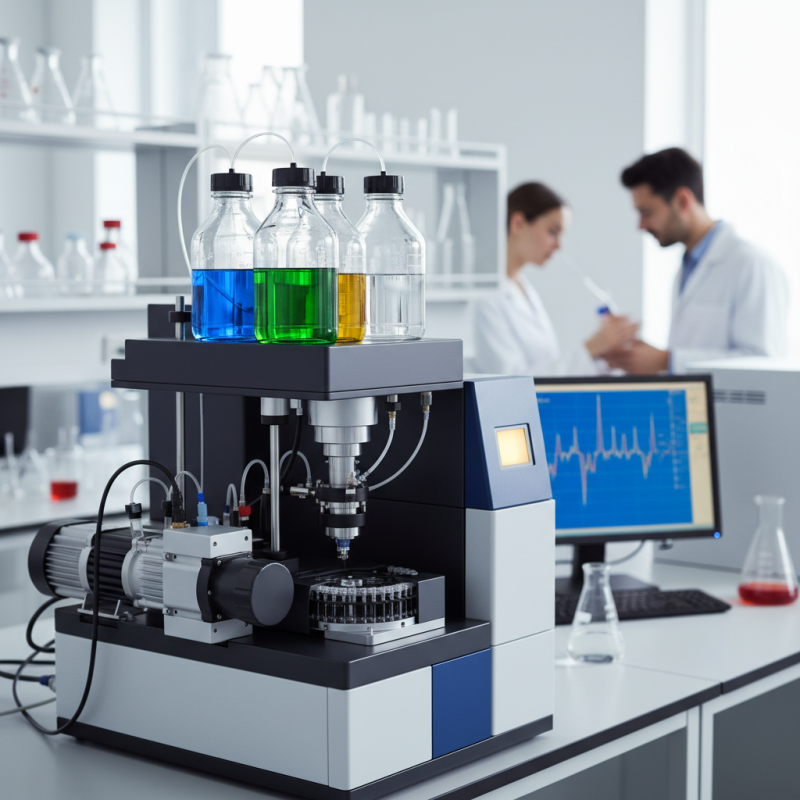
The Role of High Performance Liquid Chromatography in Analytical Chemistry
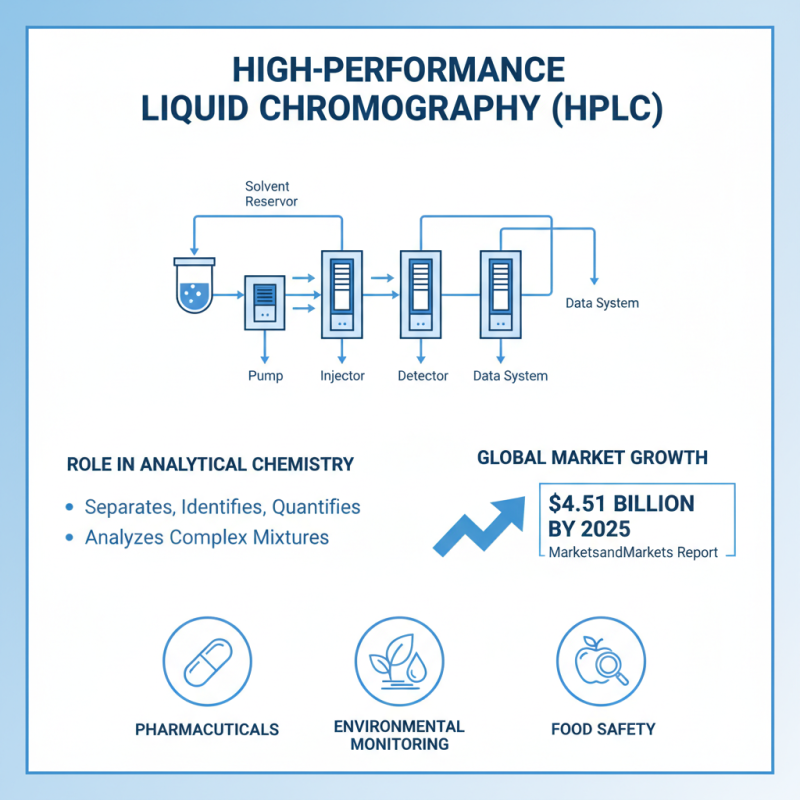
High Performance Liquid Chromatography (HPLC) plays a crucial role in analytical chemistry. It allows scientists to separate, identify, and quantify components in complex mixtures. According to a report from Markets and Markets, the global HPLC market is projected to reach $4.51 billion by 2025. This growth highlights its importance in various fields, including pharmaceuticals, environmental monitoring, and food safety.
In pharmaceutical analysis, HPLC is used to ensure the quality of drugs. For example, it helps detect impurities and confirm active ingredients. The American Chemical Society reports that about 80% of pharmaceutical analysis relies on HPLC methods. However, challenges exist, such as the need for high-quality solvents. Impure solvents can lead to inaccurate results, which is unacceptable in this industry.
Environmental chemistry benefits greatly from HPLC as well. It can detect pollutants at trace levels. The U.S. Environmental Protection Agency mandates HPLC methods for analyzing water contaminants. Yet, the complexity of matrix effects can complicate these analyses. Sometimes, real-world samples can yield variable results, prompting further investigation. This area requires ongoing refinement to achieve reliable outcomes.
Key Components and Functionality of HPLC Machines Explained
High Performance Liquid Chromatography (HPLC) machines are pivotal in modern scientific research. These devices separate, identify, and quantify components in a mixture. Their precision makes HPLC essential for chemistry, biology, and environmental science. According to a recent report from MarketsandMarkets, the global HPLC market is projected to reach $4.1 billion by 2025. This shows the growing importance of HPLC technology in laboratories worldwide.
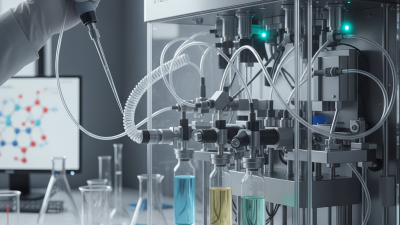
HPLC machines consist of key components like pumps, injectors, columns, and detectors. The pump generates high pressure to move the solvent through the column. The injector introduces the sample. The column contains stationary phase material that interacts with the sample. Finally, detectors analyze the separated compounds. A study published in the Journal of Chromatography found that optimizing these components can enhance separation efficiency by over 30%.
Despite their advanced features, HPLC machines can be challenging to operate effectively. Users may face difficulty in method development and optimization. Data integrity and instrument calibration often require attention. Manufacturers recommend regular maintenance for optimal performance, yet labs often overlook this aspect. It raises a concern about reliability in results. Continued training for lab personnel is essential to mitigate these issues effectively.
Key Components and Functionality of HPLC Machines
| Component |
Functionality |
Importance |
| Pump |
Delivers mobile phase under high pressure |
Ensures consistent flow rate and efficiency |
| Injector |
Introduces sample into the flow path |
Enables precise sampling for analysis |
| Column |
Separation of compounds based on interaction |
Crucial for achieving effective chromatographic separation |
| Detector |
Identifies and quantifies separated compounds |
Provides critical data for analysis and interpretation |
| Data Analysis Software |
Processes and analyzes the data output |
Facilitates interpretation of chromatographic results |
Applications of HPLC in Pharmaceutical and Biochemical Research
High-Performance Liquid Chromatography (HPLC) is crucial in pharmaceutical and biochemical research. It allows scientists to separate, identify, and quantify compounds in complex mixtures. Researchers utilize HPLC for drug development, quality control, and purity analysis.
In the pharmaceutical industry, HPLC plays a vital role in ensuring drug safety. It helps in detecting impurities that might affect drug efficacy. During clinical trials, HPLC assists in monitoring active substances in biological samples. Without accurate results, the safety of medications could be compromised.
Tip: Regular maintenance of HPLC is essential. Ensure your machine is calibrated and clean to achieve reliable results.
Biochemical research also benefits from HPLC. It assists in analyzing proteins, nucleic acids, and metabolites. For example, HPLC can help identify biomarkers for diseases. These findings may lead to new therapies or diagnostic tools. However, some researchers struggle with method development and optimization. This area often requires trial and error.
Tip: Experiment with different conditions for your samples. Small changes can lead to significant improvements in resolution.
The importance of HPLC cannot be understated. Its applications in drug safety and biochemical analysis are vast. But researchers must be aware of potential challenges in method execution. Reflection on these aspects can enhance the quality of research outcomes.
Advantages of HPLC Over Traditional Chromatographic Techniques
High Performance Liquid Chromatography (HPLC) has revolutionized analytical chemistry. Experts estimate that HPLC accounts for about 80% of analytical procedures in laboratories globally. This technique offers higher efficiency compared to traditional methods. It provides better resolution and faster analysis times.
With HPLC, scientists can analyze samples in minutes, not hours. It operates under high pressure, allowing for faster separation of compounds. A recent study indicated that HPLC can achieve separations ten times faster than older techniques. Traditional methods often rely on gravity, which can be slow and less effective.
Additionally, HPLC uses smaller particles in its columns. This results in improved sensitivity and accuracy. The combination of speed and precision makes HPLC a preferred choice in drug development and environmental analysis. Yet, despite its advantages, HPLC requires complex maintenance and calibration. Regular training for operators is crucial to avoid errors. These challenges remind us that every technique has its limits.
Advantages of HPLC Over Traditional Chromatographic Techniques
The bar chart above illustrates the key advantages of High Performance Liquid Chromatography (HPLC) compared to traditional chromatographic techniques. The metrics of speed, resolution, sensitivity, reproducibility, and versatility highlight how HPLC excels in modern analytical applications, making it an essential tool for scientists today.
Future Trends and Innovations in High Performance Liquid Chromatography
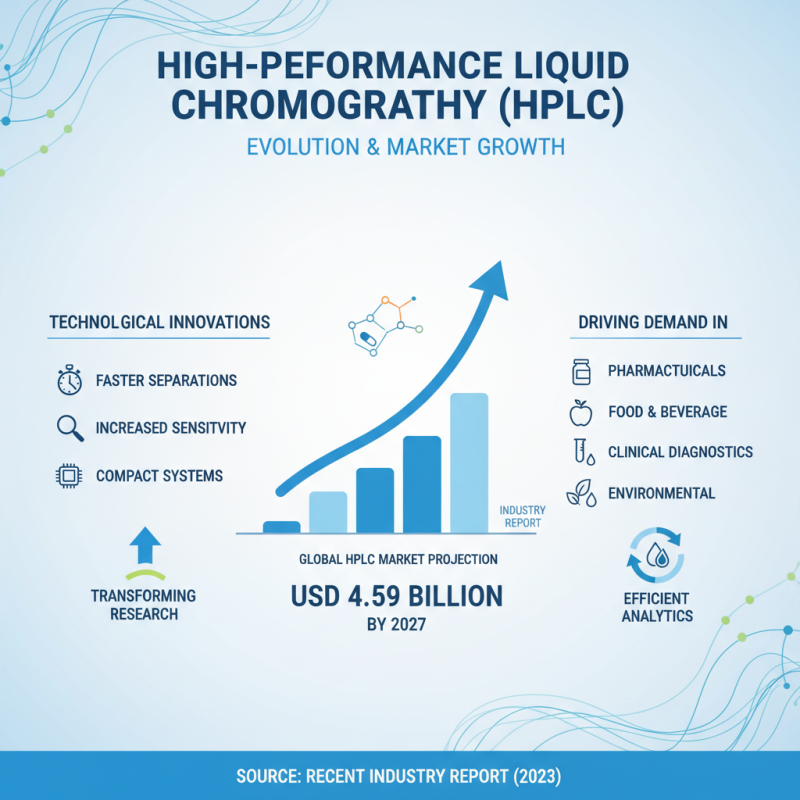
High-Performance Liquid Chromatography (HPLC) is evolving rapidly. Innovations in technology are transforming how scientists conduct research. According to a recent industry report, the global HPLC market is projected to reach USD 4.59 billion by 2027. This growth reflects the increasing demand for efficient analytical techniques across various fields.
Future trends include miniaturization of HPLC systems. Smaller devices can reduce solvent consumption. They can also enhance portability, allowing for in-field analyses, which was not feasible before. Another trend is the integration of artificial intelligence. Machine learning algorithms can optimize separation processes and increase data analysis accuracy.
**Tip:** Keep an eye on emerging technologies. They can improve method development and reduce operational costs.
Despite these advances, challenges remain. Not all labs can afford the latest systems. Training staff on new technology takes time and resources. Moreover, issues related to method validation persist. Labs must ensure their procedures meet regulatory standards.
**Tip:** Regularly evaluate current equipment and methods. It helps identify areas for improvement and promotes efficiency.