What is Flotation Equipment and How Does it Work?
Flotation Equipment plays a crucial role in the mining and mineral processing industries. This machinery separates valuable minerals from their ores through a process involving air bubbles. According to a report by Grand View Research, the flotation equipment market was valued at over $2 billion in 2020 and is expected to grow significantly in the coming years.
The mechanism of flotation relies on surface chemistry, making expertise in this area essential. Operators must understand factors like pH, reagents, and mineral surface properties. Without this knowledge, flotation performance can be unpredictable. A study by Research and Markets highlights that optimal flotation processes can increase mineral recovery rates by up to 30%. However, achieving these rates often requires continuous adjustments and fine-tuning.
Despite technological advancements, challenges remain. Equipment wear and inefficient bubble formation can hinder performance. These aspects require operators to consistently reevaluate their strategies and equipment maintenance. Understanding flotation equipment is vital for any professional in the field, as it directly impacts operational success and profitability.
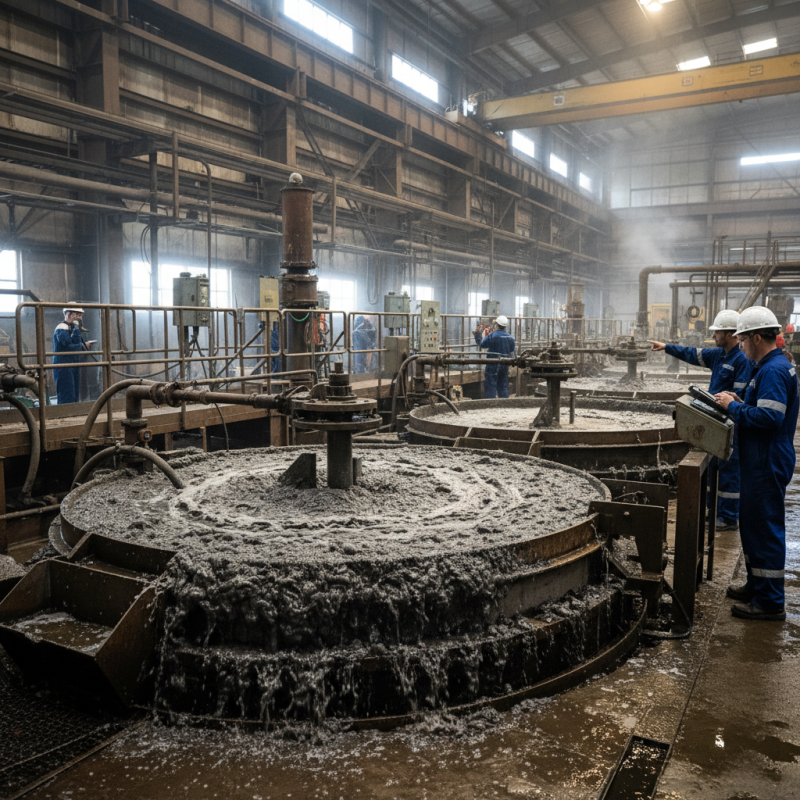
Overview of Flotation Equipment and Its Importance in Mineral Processing
Flotation equipment plays a crucial role in mineral processing. It helps separate valuable minerals from waste material. This separation process relies on differences in the physical and chemical properties of the minerals involved. Flotation is especially effective for sulfide minerals, which often appear in complex ores.
The importance of flotation equipment cannot be overstated. It enhances recovery rates, which translates to higher profits for mining operations. The process utilizes bubbles to attach to the targeted minerals. As these bubbles rise, they carry the minerals to the surface, where they can be collected. Efficiency in this process is critical. Any inefficiencies can lead to significant material losses.
However, there is room for improvement. Not all minerals respond well to flotation methods. Some require specific adjustments in the flotation process. Factors like pH levels and reagent types influence outcomes. Moreover, not all flotation cells perform equally. Monitoring performance and making necessary adjustments is essential for optimal results. Understanding these variables can lead to better recovery and contribute to sustainability efforts in mineral processing.
Basic Principles of Flotation: How It Separates Materials
Flotation is a method commonly used in various industries for separating materials based on differences in their physical properties. The basic principles of flotation hinge on the differences in buoyancy between particles. By introducing air bubbles into a slurry mixture, lighter materials can attach to these bubbles and rise to the surface.
The process begins with grinding the ore into a fine powder, which is then mixed with water to create a slurry. Chemical reagents may be added to facilitate the separation. When air is introduced, certain particles become hydrophobic and cling to the bubbles, unlike others that remain submerged. This creates a froth layer at the surface where the desired materials can be collected.
Though flotation techniques are highly effective, they are not without challenges. Not all materials respond well to this method. Some particles may remain entrained in the slurry, leading to inefficiencies. Finding the right combination of reagents and operational parameters requires expertise. Therefore, ongoing research in flotation technology is essential for improving its reliability and efficiency.
Types of Flotation Equipment: A Breakdown of Common Variants
Flotation equipment is essential in many industries, particularly mining and water treatment. It works by separating fine particles based on their hydrophobic properties. Common types of flotation equipment vary in design and application, each with unique features for specific tasks.
One prevalent type is the mechanical flotation cell. This device uses a rotating impeller to introduce air bubbles. The bubbles attach to the hydrophobic particles and rise to the surface. This method is efficient but can be less reliable if not maintained properly. Acknowledging this is key.
Another type is the column flotation cell. It operates by allowing the particles to interact with rising air bubbles in a vertical column. This design often provides better separation efficiency. However, it can be more complex to operate and monitor.
Tips: Ensure regular maintenance for all flotation equipment. This way, you enhance performance and extend the machinery’s lifespan. Additionally, consider training for operators to improve efficiency. Understanding the limitations of each unit can help avoid costly mistakes. Remember, the right choice depends heavily on the specific materials and conditions.
Common Types of Flotation Equipment
Key Components and Mechanisms of Flotation Systems
Flotation systems play a critical role in the separation of valuable minerals from ores. The key components of these systems include flotation cells, aeration mechanisms, and agitators. Flotation cells are where the separation process occurs. They help create a froth layer that traps valuable minerals. According to industry reports, flotation systems can achieve recovery rates between 60% to 90% for various minerals.
Aeration mechanisms introduce air into the flotation cell, creating bubbles. These bubbles attach to the target minerals, forming a froth that rises to the surface. The size and distribution of bubbles can significantly affect the separation efficiency. Small bubbles are often more effective, but achieving the right size can be a challenge. Agitation within the cell is also vital. Rapid mixing helps keep particles suspended, ensuring they encounter air bubbles.
However, not all flotation systems are perfect. Some designs may lead to low recovery rates due to poor bubble-particle interaction. Regular maintenance is necessary to optimize performance, but downtime can impact productivity. Understanding the nuances of these components is essential for engineers and operators aiming for higher efficiencies. Continuous improvements in technology and methodology are crucial for enhancing flotation system performance.
Common Applications of Flotation Equipment in Various Industries
Flotation equipment plays a crucial role in various industries, particularly in mineral processing, wastewater treatment, and pulp and paper manufacturing. In mineral processing, it effectively separates valuable minerals from gangue. According to a 2021 report by the International Mineral Processing Council, flotation accounts for nearly 80% of the world's metal recovery processes.
In wastewater treatment, flotation technology helps remove suspended solids and oils from wastewater. The Global Water Intelligence report states that flotation processes can achieve over 90% removal efficiency for fats, oils, and grease. This efficiency is crucial for industries aiming to meet strict environmental regulations. Similarly, in the pulp and paper industry, flotation equipment is used to enhance fiber recovery.
Tip: Regular maintenance of flotation equipment is essential to ensure optimal performance. Blockages can significantly decrease efficiency, leading to increased operational costs.
Despite its advantages, flotation equipment does have limitations. The process may not work efficiently on all types of ores. Some materials may require additional processing to improve recovery rates. Operators need to remain vigilant about this to minimize losses in production.
Tip: Consider conducting regular testing of the feed material to understand flotation performance. This can lead to adjustments that improve yield and quality.
