10 Essential Tips for Optimizing Biopharma Production Efficiency?
In the rapidly evolving world of biopharma production, efficiency is paramount. Companies face intense pressure to innovate while reducing costs. The complexity of biopharmaceutical processes demands careful optimization. This article presents ten essential tips to enhance production efficiency, focusing on practical strategies that address common challenges.
Biopharma production is not just about speed; it also requires reliability and quality. The interplay between different stages in the production cycle can create bottlenecks. Analyzing these stages can lead to valuable insights. For example, routine monitoring and data analysis can uncover inefficiencies that were previously overlooked. This proactive approach promotes continuous improvement.
However, implementing these strategies is not always straightforward. Teams must confront existing practices and be willing to adapt. Balancing productivity with compliance and safety standards is crucial. Engaging with experts and leveraging advanced technologies can provide a competitive edge. The path to optimizing biopharma production is challenging but essential for long-term success.

Strategies for Streamlining Production Workflows in Biopharma
In the biopharma industry, streamlining production workflows is crucial for enhancing efficiency. According to a report by a leading industry analyst, nearly 30% of production time is often wasted on non-value-adding activities. To combat this, implementing lean manufacturing principles can be effective. These principles focus on eliminating waste, which can lead to reduced cycle times and higher output.
Moreover, leveraging digital technologies plays a vital role. Data analytics can optimize resource allocation, reducing downtime by up to 25%. Close monitoring of production metrics allows teams to identify bottlenecks quickly. Utilizing automation in routine tasks can also free up skilled personnel for more innovative work. However, this raises concerns about skill gaps. Not all staff are equipped to operate advanced systems, which necessitates ongoing training.
It's important to assess the existing workflows regularly. A study indicated that biopharma companies that invest in continuous improvement initiatives see a 20% increase in overall productivity. Despite these advantages, many firms still struggle with resistance to change. Involving employees in the decision-making process can foster a culture of acceptance and adaptability, ultimately driving efficiency.
Implementing Advanced Technologies for Enhanced Biopharma Efficiency
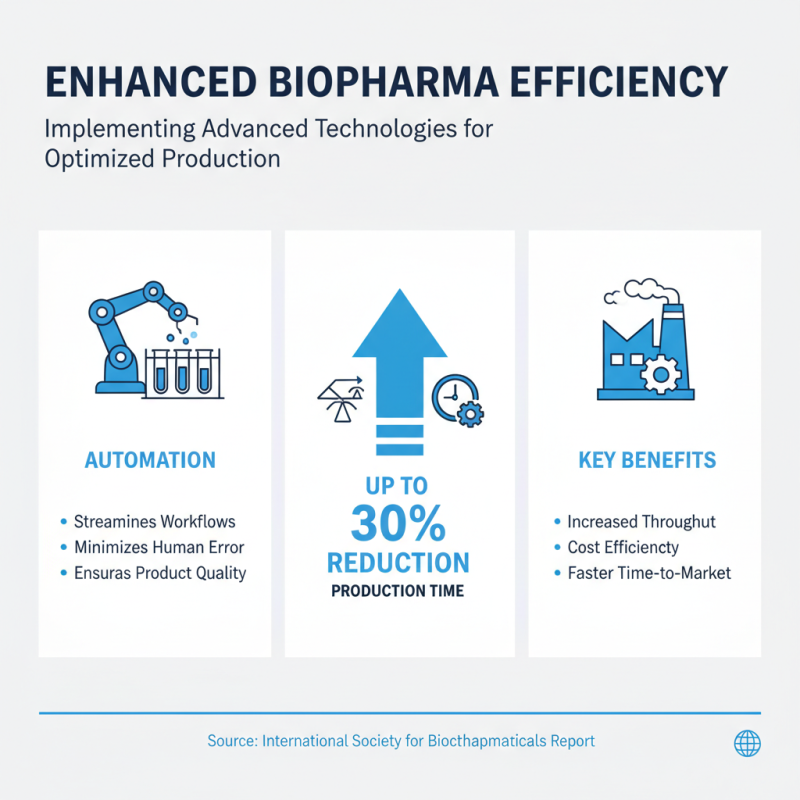
In today’s biopharma landscape, advanced technologies play a critical role in optimizing production efficiency. According to a report by the International Society for Biopharmaceuticals, implementing automation can reduce production time by up to 30%. Automated systems streamline workflows and minimize human error, which is crucial in maintaining product quality.
Furthermore, integrating artificial intelligence in data analysis enhances decision-making. A market study from Biotech Research highlights that AI can predict equipment failures with 85% accuracy, significantly decreasing downtime. However, reliance on technology also poses risks. Over-automation may lead to a loss of skilled labor, raising concerns about long-term workforce viability.
The use of real-time monitoring technologies can provide invaluable insights. Continuous monitoring allows for immediate adjustments, maintaining optimal conditions in production. Data from the Biomanufacturing Industry Council indicates that real-time systems can improve yields by 15%. While these advancements offer tremendous benefits, firms must strike a balance. Emphasizing technological integration is essential, yet investing in workforce training remains equally important.
Optimizing Supply Chain Management in Biopharmaceutical Production
In biopharmaceutical production, optimizing supply chain management is crucial. Recent industry reports indicate that effective supply chain strategies can reduce costs by up to 25%. This is vital in a field where R&D expenses can exceed billions. Streamlined logistics and inventory management can enhance production efficiency significantly.
Creating a responsive supply chain is essential. According to a study by McKinsey, firms with agile supply chains can outperform peers by 10% in revenue growth. Adopting technologies like AI and blockchain can improve visibility. However, many companies struggle with integrating these advanced systems. There is often a gap in real-time data sharing, leading to bottlenecks and delays.
Monitoring supplier performance is another key area. Many biopharma companies fail to regularly assess their suppliers, impacting production quality. A report from Deloitte found that 30% of firms lack robust supplier evaluation processes. This oversight can lead to costly disruptions. Regular audits and open communication can help in mitigating these risks effectively.
Production Efficiency Metrics in Biopharma
This chart illustrates the key metrics influencing production efficiency in the biopharmaceutical sector. The data represents various stages of the supply chain and their corresponding impact on overall production efficiency.
Reducing Waste and Improving Sustainability in Biopharma Processes
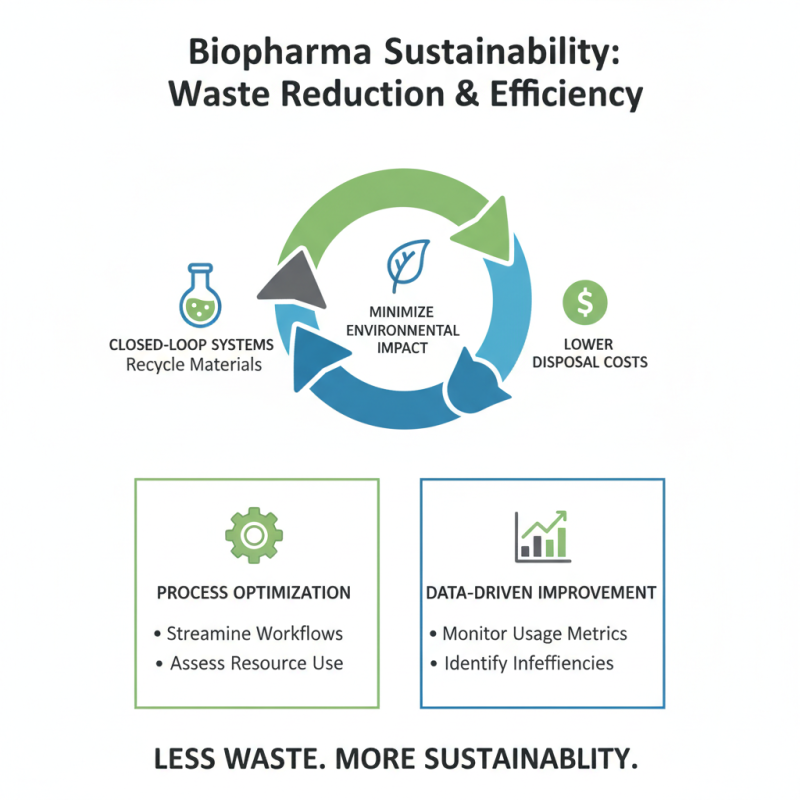
In biopharma, reducing waste is critical. Streamlining processes can greatly improve sustainability. Implementing closed-loop systems allows for the recycling of materials. This minimizes disposal costs and environmental impact. Monitoring usage metrics can help identify areas of excessive waste. By tracking data, teams can spot inefficiencies and act swiftly. It’s essential to assess how resources are consumed at every step.
Investing in technology can also drive sustainability. Automation reduces human error and enhances precision. However, teams should regularly evaluate whether new tech truly improves processes. Not all solutions are effective or necessary. Continuous feedback from staff can illuminate challenges that technology alone cannot solve. Adjusting production protocols may require trial and error.
Fostering a culture of sustainability involves team engagement. Training staff to recognize waste and suggest improvements can yield significant results. However, it is important to remember that change can be slow. Communication is key to cultivating a mindset that prioritizes efficiency. Not every initiative will succeed, but learning from setbacks is part of progress. Encouraging innovation while reflecting on outcomes helps in finding balanced solutions.
Enhancing Workforce Training and Development for Biopharma Success
In the biopharma industry, workforce training and development play crucial roles in optimizing production efficiency. A report from the Biopharma Workforce Initiative highlights that 65% of biopharma companies face challenges related to workforce skills gaps. Enhanced training programs can bridge these gaps, ensuring employees are well-versed in the latest technologies and methodologies.
Conducting regular training sessions can improve employee performance significantly. For instance, a study from the International Society for Pharmaceutical Engineering shows that companies investing in employee training experience a 23% increase in productivity. These sessions should focus not only on technical skills but also on soft skills, fostering teamwork and communication. Such a holistic approach creates a more adaptable workforce.
However, challenges persist. Many organizations struggle to keep training programs up to date. Compliance standards and technological advancements rapidly evolve, making ongoing education necessary, yet often neglected. Without a clear strategy for continuous learning, training investments may fail to yield desired outcomes. Addressing these shortcomings requires commitment and a willingness to innovate training methodologies to match the industry's shifting landscape.
10 Essential Tips for Optimizing Biopharma Production Efficiency
| Tip No. |
Tip Description |
Expected Outcome |
Implementation Timeframe |
| 1 |
Invest in Advanced Training Programs |
Improved employee skills and efficiency |
3-6 months |
| 2 |
Implement Lean Manufacturing Techniques |
Reduced waste and lower production costs |
Ongoing |
| 3 |
Utilize Automation Technologies |
Increased production speed and consistency |
6-12 months |
| 4 |
Enhance Quality Control Procedures |
Higher product quality and compliance |
3 months |
| 5 |
Foster a Culture of Continuous Improvement |
Engaged workforce and innovative solutions |
Ongoing |
| 6 |
Implement Data Analytics for Decision Making |
Enhanced operational efficiencies |
6 months |
| 7 |
Strengthen Supplier Relationships |
Improved material quality and reliability |
Ongoing |
| 8 |
Optimize Production Scheduling |
Maximized production output |
3 months |
| 9 |
Incorporate Regulatory Training for Employees |
Greater compliance and reduced regulatory risks |
2 months |
| 10 |
Invest in Employee Health and Safety |
Reduced workplace incidents and increased morale |
Ongoing |