How to Choose a Wheeled Skid Steer Loader in 2026?
Choosing a Wheeled Skid Steer Loader in 2026 requires more than comparing horsepower and purchase prices. The right machine must match your ground conditions, attachments, workload, operator habits, and service capacity. A loader working on paved yards needs different tires and stability than one moving gravel across uneven construction sites. Observe the work area carefully. Mud, tight gates, steep ramps, and low-clearance buildings can change the decision quickly.
This guide explains the practical factors experienced buyers should examine before signing an order. We will consider rated operating capacity, tipping load, hydraulic flow, lift path, visibility, cab comfort, fuel use, and attachment compatibility. A high-flow system may improve performance with a cold planer, but it can increase heat, maintenance needs, and operating costs. Bigger is not always better. Sometimes, it is simply harder to transport and less agile in crowded spaces.
Reliable selection also depends on verified specifications, dealer support, warranty terms, and access to replacement filters, tires, and hydraulic components. Manufacturer figures provide a useful starting point, yet real performance depends on ballast, surface conditions, attachment weight, and operator technique. Test the controls. Inspect the service points. Ask for documented demonstrations, not vague promises. I have seen buyers focus on breakout force while overlooking daily greasing access, which later affects uptime. That mistake is easy to repeat.
Some recommendations will remain conditional because no single loader suits every site. Your priorities may shift after one season of use. That is normal. By comparing measurable capability with practical ownership experience, you can choose a Wheeled Skid Steer Loader that works efficiently, safely, and reliably throughout 2026 and beyond.
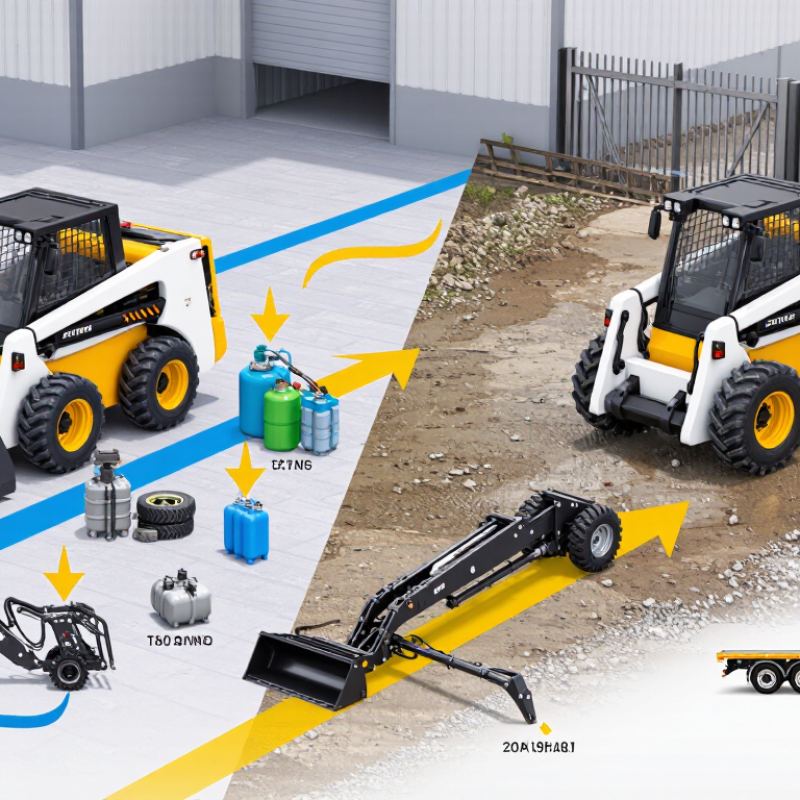
Define the Job: Match ROC to Load—50% of Tipping Load per SAE J818
How to Choose a Wheeled Skid Steer Loader in 2026?
A wheeled skid steer loader should fit the job before it fits the budget. Begin with rated operating capacity (ROC), not advertised lift height. Under SAE J818, ROC is commonly calculated as 50% of the machine’s tipping load for wheeled models. This limit supports stability during normal rated work. It does not permit lifting half the tipping load in every condition.
Identify your heaviest regular load, then include the attachment, coupler, moisture, and uneven ground. A pallet weighing 1,800 pounds may become a 2,200-pound lift with a fork frame and wet material. Keep that figure below the published ROC. I have seen capacity plans fail because operators counted only the payload. A long attachment can move the load’s center of gravity forward, reducing practical stability. Check the load chart and test the machine at low height on firm ground.
Tips: Choose ROC with working margin, not wishful precision. Compare attachment capacity and hydraulic flow. Ask for tipping-load data under stated conditions. Recheck capacity when tires, ballast, or attachments change. Short tests matter. Operators should use smooth steering and avoid sudden turns with raised loads. If the rear feels light, stop and reassess. That warning comes before the specification does.
Select Hydraulics: Standard 17–25 GPM or High-Flow 30–40 GPM
How to Choose a Wheeled Skid Steer Loader in 2026?
Hydraulic flow should match the work, not merely the biggest number. Standard systems typically deliver 17–25 GPM. High-flow systems usually provide 30–40 GPM. Flow is capacity. Pressure is force.
A 3,500-psi system at 20 GPM produces about 41 hydraulic horsepower. At 35 GPM, the figure rises to roughly 71 horsepower.
These estimates use the standard hydraulic horsepower formula: GPM × PSI ÷ 1,714.
The extra flow can drive cold planers, brush cutters, trenchers, and high-output augers more effectively. However, it also increases heat generation, cooling demand, fuel use, and hose wear.
The 2024 EquipmentWatch Market Report emphasizes total ownership cost when evaluating construction equipment. That matters here. High-flow attachments often cost more, and their performance depends on matching return-flow ratings. The Association of Equipment Manufacturers’ 2024 market outlook also shows continuing demand for compact machines across construction and landscaping. More buyers, therefore, are facing this decision.
In field checks, I would inspect couplers, cooler cleanliness, auxiliary pressure, and measured flow. A sales sheet is not enough. I have seen a high-flow loader paired with a low-flow attachment. The result was expensive disappointment. That shortcut fails.
Choose standard flow for buckets, forks, breakers, and general site work. Choose high flow when attachment productivity clearly justifies the added operating cost. Recheck the attachment manual and duty cycle. My imperfect rule is simple: buy unused hydraulic capacity only when the next job can pay for it.
Size the Loader: Compare 50–100+ HP, Lift Height, and Operating Weight
Choosing a wheeled skid steer loader starts with the job, not the advertised horsepower. A 50–70 HP machine often suits landscaping, pallet handling, and light grading. Many models provide roughly 1,500–2,500 pounds of rated operating capacity. Their operating weight commonly falls near 6,000–8,000 pounds.
For heavier excavation, consider 80–100+ HP. These loaders may offer 2,500–3,500 pounds of rated capacity and operating weights above 8,000 pounds. Lift height matters just as much. A hinge-pin height near 10 feet can load high-sided trucks, while an 8-foot height may limit daily production. ISO 14397-1 defines testing methods for rated operating capacity and tipping load. Use those figures instead of comparing horsepower alone.
Hydraulic flow changes the decision. Attachments such as trenchers, cold planers, and high-capacity brooms may require high-flow hydraulics. The Association of Equipment Manufacturers reported continued demand for compact construction equipment in its 2024 market outlook, but demand data cannot replace a site check. Measure trailer limits, gate widths, soil conditions, and truck-wall height. I once treated operating weight as a minor detail. That was a mistake. A heavier loader felt stable, yet it exceeded the site trailer’s practical payload. Check the attachment’s weight, too. The perfect number may not exist.
How to Choose a Wheeled Skid Steer Loader in 2026?
Compare representative loader classes by engine power, maximum hinge-pin lift height, and operating weight. These reference values reflect typical specifications published for current non-brand wheeled skid steer loaders; exact figures vary by configuration and attachments.
For general material handling, 50–75 HP models usually provide a practical balance of size and maneuverability. Choose 75–100 HP when higher hydraulic demand and lifting capacity are important, while 100+ HP machines are better suited to intensive production work and heavier attachments.
Assess Wheeled Mobility: Check Speed, Tire Capacity, and Ground Pressure
How to Choose a Wheeled Skid Steer Loader in 2026?
Wheeled mobility can determine whether a skid steer works efficiently or struggles on site. Check travel speed in both unloaded and loaded conditions. A high top speed sounds useful, but frequent starts, stops, and tight turns may matter more. On a paved yard, faster travel can save time. On uneven ground, stability and braking control deserve greater attention. Test the loader with a full attachment, not an empty bucket.
Tire capacity should match the machine’s operating weight and the loads you expect to carry. Inspect the tire load rating, rim compatibility, tread design, and recommended inflation range. A tire that looks rugged may still wear quickly under constant hauling. Four equal tires are not enough evidence. Consider heat buildup during long shifts, especially on hard surfaces. I once underestimated this factor, and the resulting downtime cost more than expected.
Ground pressure affects traction, turf damage, and performance on soft soil. Estimate pressure from the loaded machine weight and the tire contact area. Lower pressure usually helps on lawns or damp ground, but it may reduce sharp steering response. Higher pressure can improve firmness on compact surfaces, yet it may leave deep marks after rain. Measure the work area when possible. A short site trial reveals more than a brochure. Check stopping distance, tire deflection, steering effort, and surface damage before committing to a configuration.
Verify 2026 Compliance: Tier 4/Stage V Emissions, Safety, and Total Cost
How to Choose a Wheeled Skid Steer Loader in 2026?
A wheeled skid steer loader should meet the emissions rules of your actual worksite. Tier 4 and Stage V requirements are not interchangeable. Check the machine’s engine certificate, production year, and approved operating region. Ask for documented test results, not verbal assurances. Confirm diesel particulate filter requirements, regeneration procedures, and service intervals. A clean dashboard does not prove compliance.
Safety deserves the same attention. Inspect the rollover protection structure, seat belt, interlock system, visibility, lighting, and emergency controls. Test the loader on a marked surface before purchase. Watch for delayed braking, hydraulic leaks, or unstable steering. These small signs can become expensive risks. Calculate total cost, including fuel, tires, filters, scheduled maintenance, operator training, insurance, and downtime. A lower purchase price may hide higher operating costs.
Tips: Bring a checklist and record every serial number. Compare real fuel use from similar jobs. Request maintenance records and independent inspection results. Leave room for unexpected repairs. I still see buyers underestimate tire wear on rough concrete. That mistake is easy to repeat. Also verify local registration, noise limits, and import documentation before payment. A trusted technician can review the certificate and machine condition, especially when paperwork looks incomplete.
